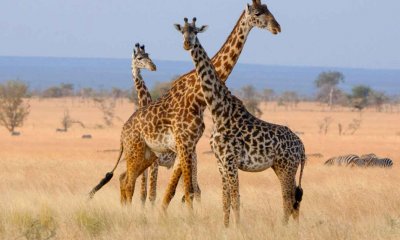





Formed by an ancient volcano more than two million years ago, Ngorongoro Crater is one of Tanzania’s most remarkable landscapes. A collapsed caldera that measures about 19 kilometres across and 600 meters deep, it shelters one of the densest concentrations of wildlife anywhere in Africa. Within its circular walls live thousands of animals, lions, elephants, buffalo, rhinos, and leopards, alongside flamingos, zebras, and wildebeest moving in quiet patterns below the mist.
This guide from Shadows of Africa, written with insights from professional guides who have led expeditions here for more than a decade, explores what makes Ngorongoro not just a safari stop but a living ecosystem. It explains the crater’s origins, its wildlife, its Maasai communities, and how to plan your Ngorongoro Crater Safari 2026-27 effectively.
Understanding Ngorongoro – Africa’s Lost World

Seen from the rim, Ngorongoro looks like another planet: a perfect bowl of grassland, forest, and lake sealed by steep volcanic walls.
According to UNESCO World Heritage data, the crater was formed when a massive volcano collapsed in on itself, leaving behind a self-contained ecosystem that now hosts more than 25,000 animals.
The Tanzania National Parks Authority (TANAPA) calls it “the world’s largest intact volcanic caldera still supporting life.” Its fertile volcanic soil supports thick grasslands, which in turn host herbivores that attract predators. The result is a micro-world where ecology and evolution still interact openly.
A prominent and recognized naturalist named Professor Bernhard Grzimek said, “It is impossible to give a fair description of the size and beauty of the Crater, for there is nothing with which one can compare it. It is one of the Wonders of the World.”
Discover How Tanzania’s Great Parks Connect, read our blog - Serengeti Safari 2026–27 – Your Complete Guide to the Great Migration.
The Big Five and Beyond – Wildlife Highlights
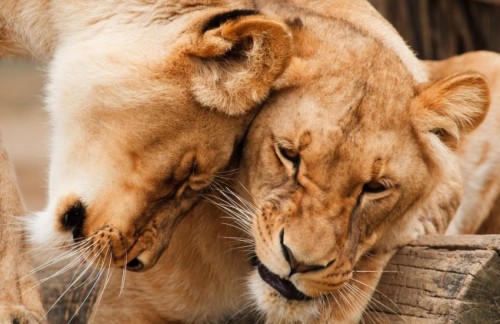
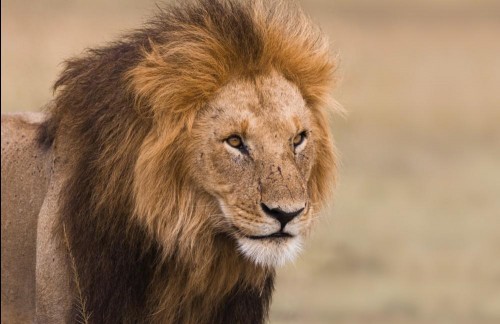
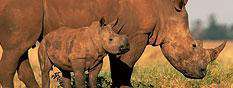
A Ngorongoro Crater Safari offers what travellers often call “Africa in one view.” Within a few hours, you might spot all five of the Big Five in Tanzania: lions resting in the sun, elephants crossing the swamps, buffalo moving in herds, leopards skulking near the forest, and a black rhino feeding on open grass.

The crater’s floor is home to an estimated 70 lions, hundreds of buffalo, and a closely monitored population of rhinos protected around the clock. WWF and IUCN figures show that Ngorongoro remains one of the few places in East Africa where rhinos can still be seen in the wild.
Flamingos cluster at Lake Magadi, hippos wallow in the marshes, and cheetahs patrol the open plains. For photographers, the light inside the crater is remarkably soft, especially in the early hours when mist rises off the rim.
From June to October (dry season), animals gather around the remaining waterholes. From November to May, the land greens and birdlife increase dramatically. Every season has its pattern; every drive feels different.
Join a Guided Big Five Safari → Speak to an Expert Now
Cultural Encounters – Meet the Maasai
The Maasai people who live around the Ngorongoro Conservation Area add a deep cultural dimension to the landscape. Their presence here connects the human and natural worlds in a way that has existed for centuries.

While many tours include an optional visit to a Maasai boma, it’s worth noting that these experiences can sometimes feel curated for tourism rather than genuine daily life. Shadows of Africa encourages travelers to make informed choices about cultural visits that truly support local communities and preserve authenticity.
For a thoughtful perspective on this topic, read our blog: Why You Should Reconsider Visiting a Maasai Boma.
Tourism continues to play a vital role in supporting Maasai schools and healthcare programs through sustainable partnerships. Still, the most meaningful encounters often come through respectful dialogue and responsible travel practices guided by your Shadows of Africa expert.
Best Times to Visit Ngorongoro Crater
Ngorongoro is a year-round destination, but its moods shift with the seasons.

June – October (Dry Season)
Clear mornings, cool days, and excellent visibility make this the Best Time To Visit Ngorongoro Crater for game viewing. Animals concentrate around the swamps and lakes, and roads remain firm for easy driving.
November – May (Green Season)
Rain returns, turning the plains emerald. There are fewer vehicles and brighter skies – ideal for Ngorongoro safari photography. Birdlife peaks, and young animals fill the fields.
December – February (Calving Months)
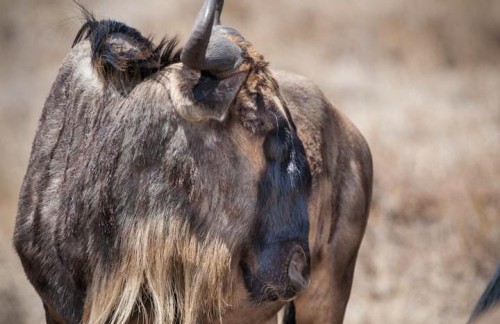
The southern Serengeti and Ngorongoro share a calving period when thousands of wildebeest give birth. Predators are active, and the drama is intense but still manageable for visitors seeking smaller crowds.
Ask Our Experts When to Travel
Read our blog on how to plan your safari for the upcoming year ahead: Tanzania Safari Planner 2026–27 – Costs, Best Times & Essential Tips
Safari Planning – Permits, Access & Where to Stay
A well-planned Ngorongoro Crater Safari in Tanzania relies on accurate information and local guidance. Here’s what you should know for 2026-27:
Entry Rules and Fees
Managed by the Ngorongoro Conservation Area Authority (NCAA), the crater charges a daily park fee (about USD 70 per adult) plus a vehicle descent permit. Only one descent is allowed per day to limit traffic on the fragile floor.
Access Routes
Most travellers depart from Arusha – roughly a three-and-a-half-hour drive through scenic highlands – or combine it after the Serengeti. The crater rim sits at 2,300 meters and can be cool at night, so pack warm layers.
Accommodation
Shadows of Africa partners with lodges and camps across all ranges: budget, mid-range, and luxury. Each offers different views – from rim-top sunrises to floor-edge access. Guests often describe the experience as “waking up inside a postcard” while staying in these accommodations.
Get our Tanzania Accommodation List by visiting the link here.
Combine Ngorongoro with Other Destinations
Most itineraries fit Ngorongoro into the Northern Tanzania Circuit, which links Tarangire, Lake Manyara, Ngorongoro, and the Serengeti before ending in Zanzibar. It’s a logical flow from woodland to crater to open plain – each day adding scale to the story of Tanzania.
Sample Routes with Shadows of Africa:
- Ngorongoro One-Day Safari: An efficient full-day tour from Arusha for travellers on tight schedules.
- Nine-Day Tanzania Adventure Safari: A comprehensive journey covering Tarangire, Lake Manyara, Arusha, and the classic Serengeti and Ngorongoro safari.
- The Six-Day Big Five Safari takes you to Tanzania's most important parks: Arusha, Lake Manyara, Serengeti, Ngorongoro, and Tarangire. This is a great way to view the Big Five.
- Six-Day Tanzania Culture and Wildlife Safari combines cultural events with game drives in Tarangire and Ngorongoro. You will see both people and animals.
Visit the “Natural Amphitheatre” of Africa
The Ngorongoro Crater remains one of the few places where you can see Africa’s Big Five in a single day against a backdrop that has barely changed since prehistoric times. Its value is not just in numbers or size but in the sense of continuity it offers – between land, wildlife, and people.
For travelers planning a Tanzania journey in 2026-27, Ngorongoro is a central highlight of any Northern Circuit itinerary. With Shadows of Africa, you gain more than a trip – you gain context, expert guidance, and the comfort of traveling with a team that calls this place home.
Plan Your Ngorongoro Crater Safari Today → Chat with Our Team →
Quick Facts About Ngorongoro
- Location: Northern Tanzania, 180 km from Arusha
- Best Visit Months: June–October (Dry) | November–May (Green)
- Wildlife: Big Five + 25 000 animals year-round
- Culture: Maasai villages along the crater rim
- Ideal Duration: 2–3 days minimum
Closing Note
Ngorongoro is a place that reminds you why safaris exist, mainly to witness life as it has always been. It doesn't matter if you’re a first-time visitor or a returning traveller; standing on the rim and looking down into that ancient world feels like looking through time itself.
Shadows of Africa invites you to see it with clarity, respect, and expert guidance. Because great safaris aren’t just seen – they’re understood.