







Africa’s Most Trusted Safari - Shadows of Africa Wins the 2026 Travelers’ Choice Award
Africa’s most trusted safari: Shadows of Africa wins the 2026 Travelers’ Choice Award, a recognition that honors us as a leading safari operator. It highlights our consistent delivery of authentic safari experiences across East Africa — reflecting our clients' trust and satisfaction.
Thanks to our tailor-made itineraries, 24/7 support advantage, remarkable reviews, and expertise, we continue to deliver unforgettable adventures. From successful Mount Kilimanjaro climbs in Tanzania to the Great Migration in Kenya’s Maasai Mara, and relaxing in Zanzibar. We customize every journey with honest, consistent communication, sharing TripAdvisor testimonials from guests who chose us.
This article announces the award, shares what it means for travelers, and explains why Shadows of Africa continues to be the trusted choice for East African safaris.
This award belongs to every traveler who chose Shadows of Africa for their journey. Your support, reviews, and unforgettable memories continue to inspire us to deliver world-class safaris.

Key Takeaways:
- Honors top-rated travel businesses globally.
- Based on genuine traveler reviews and ratings.
- Presented annually by TripAdvisor.
- Recognizes exceptional customer experiences.
- Highlights trusted travel providers.
- Considered a respected travel industry award.
The Travelers’ Choice Award is presented by TripAdvisor, a popular and trusted travel guidance platform. It honors top-rated operators, making it easier for travelers to choose honest, safe, and reliable companies. Since it focuses on guest-driven recognition, this builds trust for operators who focus on personalized services. In turn, they get confident bookings that lead to long-term brand loyalty.
→ LEARN MORE ABOUT THE TRAVELERS’ CHOICE AWARD
Why Shadows of Africa Won in 2026
We are pleased to announce that Shadows of Africa ranks as a trusted safari company in East Africa in 2026. Our consistency in providing professional, personalized, authentic, and unforgettable safari experiences won us the Travelers’ Choice Award.

Here are the reasons why we won in 2026:
- Consistent 5-star reviews and guest satisfaction scores.
- Expert guides and curated itineraries.
- Fast response times and clear communication.
- Commitment to responsible and sustainable safari tourism.
- Range of destinations: Tanzania, Kenya, and beyond.
Based on real traveler experiences collected over the past year, we continuously deliver high-quality safari encounters. The award reflects our deep local knowledge, consistent guest satisfaction, and strong operational experience across East Africa. Whether you are traveling solo, as a group, family, or honeymooners, we customize itineraries that suit your comfort levels. Our professional tour guides go above and beyond to provide satisfactory wildlife sightings, taking part in activities like wildlife tracking.
Wondering why travelers are choosing us in 2026? Explore our packages and book your East African journey today to experience it for yourself.
Guest Voices: What Travelers Are Saying
As we take pride in this award, we cannot fail to acknowledge our guest voices. Your incredible Shadows Of Africa Reviews on TripAdvisor have made us one of the best safari operators in Africa in 2026. They praise our expert guides, bespoke luxury safaris, ethical travel, stress-free logistics, and how we go the extra mile.
Sample reviews on TripAdvisor:

According to the genuine reviews shared by our clients, we are an authoritative and trustworthy safari operator. Our expertise in bespoke safari planning, understanding wildlife behavior, and problem-solving helps travelers have a smooth and memorable adventure. We also focus on comfort by adding premium touches like “picnic hampers.” This allows travelers to enjoy hot lunches and refreshments during game drives, demonstrating our thoughtfulness for guests.
What This Award Means for Future Travelers
To our future clients, this award is proof of the quality services we continue to provide. Verified traveler reviews from different years reinforce our reliability, giving potential clients confidence when planning their safari. That is, you do not have to worry about poor service or basic lodges. We continue to improve our services for future guests — focusing on safety, comfort, proficiency, and great traveler satisfaction.
What to expect:
- Access to tailor-made itineraries.
- Consistent positive experiences.
- Assurance of a trusted, highly-rated company.
- Higher standards of service, safety, and expertise.
- Seamless planning from arrival to departure.
- Authentic, memorable, and well-guided African adventures.
Verified traveler reviews and consistent guest satisfaction provide strong evidence of Shadows of Africa’s credibility. This reinforces the company’s capability to deliver excellent services over time, no matter the season, traveler goals, or travel style. As a result, potential guests can trust they are choosing an experienced safari operator for African getaways.
Our Safari Destinations in 2026
For 2026, we have immersive safari itineraries across East African countries. We also have a nine-day multi-country package that allows travelers to visit Kenya, Tanzania, and Rwanda. All schedules are flexible and designed according to your budget, pace, goals, and travel dates.
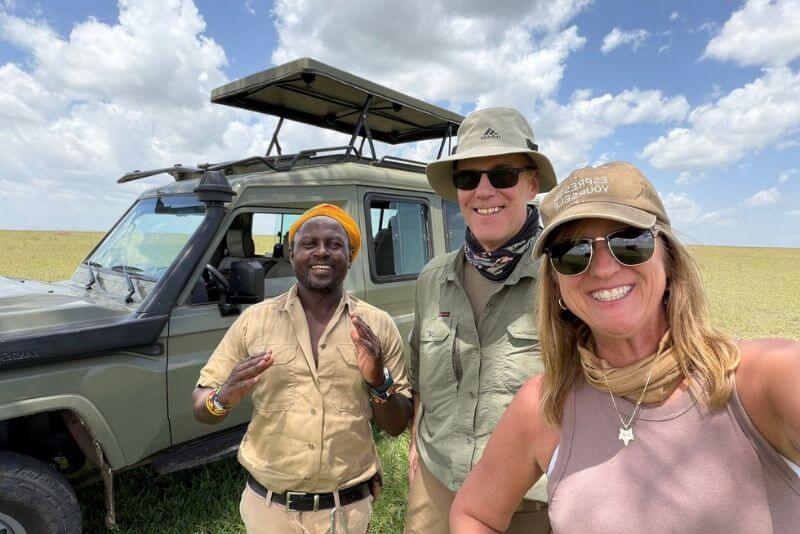
Safari destinations 2026 include:
- Tanzania Northern Circuit national parks: Serengeti, Ngorongoro, and Tarangire.
- Maasai Mara National Reserve, Kenya.
- Rwanda and Uganda.
- Multi-country options.
Based on extensive field experience across East Africa and deep local knowledge, our safari destinations for 2026 offer rewarding experiences. Our professional guides have had on-the-ground experience with seasonal conditions and wildlife behavior. Hence, they will ensure you visit the best location at the right time for meaningful adventures.
Ready to start your East African safari adventure? Contact our safari experts for professional guidance on the best travel time and locations to visit.
How to Book Your Award-Winning Safari
Booking an award-winning safari with Shadows of Africa is simple and quick. Our options range from budget-friendly to mid-range and luxury, providing something for every traveler. Whichever you choose, you can request a tailored quote and even communicate with our experts through WhatsApp or Email.
Step-by-step booking guide:
- Explore our tour packages on the Shadows of Africa Safaris page.
- Submit a quote request depending on your group size, travel style, and destination.
- Contact +255 784 954 453 or email info@shadowsofafrica.com for quick planning.
Built on years of operational expertise in East African travel, our booking process is transparent and professionally guided. Our safari consultants plan your journey based on your needs, helping you understand seasonal conditions and destination logistics. This results in accurate planning, preventing any disagreements or dissatisfaction.
Experience the Safari That Earned Africa's Most Trusted Award
The Travelers’ Choice Award reflects our consistent commitment to excellence, authenticity, personalization, and guest satisfaction. Every journey we curate with care, allowing travelers to connect with East Africa. This recognition is not just an award, but a reflection of the quality and care we bring to every safari.
At Shadows of Africa, our commitment lies in delivering safe, timely, comfortable, and professional safaris. Ready to join the award-winning experience?
Antelope vs Gazelle - Key Differences Explained Simply
On an African Safari, you will spot a lot of horned animals. This makes it difficult to tell apart Antelope Vs Gazelle, especially for first-time visitors. Gazelles belong to the antelope family, but they differ from many other antelope species in size, speed, behavior, habitats, and body shape.
At Shadows of Africa, we help travelers identify what they are seeing. By looking at the shape of the horn, rump patterns, or facial markings, our expert guides can easily tell. This improves wildlife viewing and helps safari-goers appreciate the variety of Africa’s herbivores.
This guide breaks down the key differences between antelopes and gazelles, helping you in safari wildlife identification during game drives.
While every gazelle is an antelope, not every antelope is a gazelle—a simple distinction that helps unlock Africa’s incredible wildlife diversity.
What Is An Antelope?
An antelope is a hoofed creature that belongs to the Bovidae family group. It has long, thin legs, and is well known for its incredible speed. Only males have horns and they are either straight or spiral-shaped. They are native to Africa and Asia but are mainly found in East Africa.
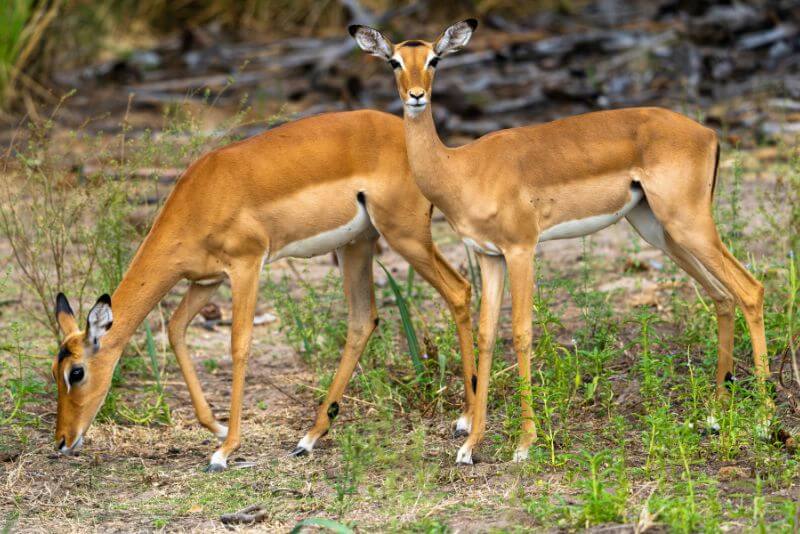
Key antelope groups and species:
- Gazelles and Dwarf Antelopes: Grant’s Gazelle, Gerenuk, Dik-dik, Thomson’s Gazelle.
- Spiral-Horned Antelopes: Common Eland, Greater Kudu, Bushbuck, Giant Eland, Bongo.
- Grazing and Water-Loving Antelopes: Wildebeest, Topi, Impala, Waterbuck.
- Horse & Oryx Antelopes: Roan Antelope, Sable Antelope, Beisa Oryx, Gemsbok.
- Duikers: Red Duiker, Yellow-backed Duiker.
This section is based on wildlife taxonomy sources and zoological databases that highlight “antelope” as an incorrect taxonomy classification. It belongs to the Bovidae family which has over 90 species of antelopes. Each displays unique behaviors with differences in body size, habitat preferences, and adaptations.
→ LEARN MORE ABOUT WHAT AN ANTELOPE IS
What Is a Gazelle?
A gazelle is a small, graceful animal within the tribe Antilopini. It falls under a subgroup of antelopes, emphasizing the notion that all gazelles are antelopes, but not all antelopes are gazelles. You can easily distinguish them from antelopes as both females and males have horns.
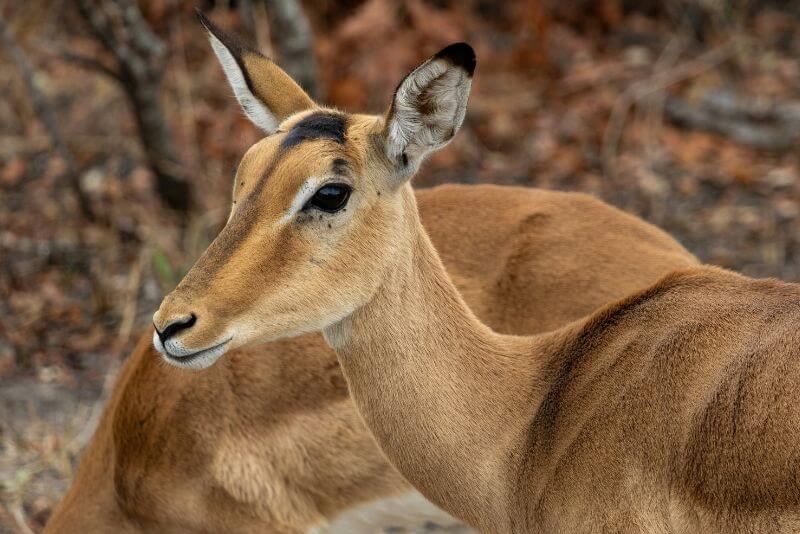
Main types of gazelles in Africa:
- Thomson’s Gazelle.
- Grant’s Gazelle.
- Dorcas Gazelle.
- Dama Gazelle.
The African Wildlife Foundation notes that the Grant’s Gazelle and Thomson’s Gazelle are the main species found in East Africa. Travelers can easily distinguish them because the Grant’s gazelle is bigger and has a pale white patch. Whereas the Thomson’s gazelle is smaller and has a dark stripe. This transforms a basic game drive experience into an immersive encounter with unforgettable memories.
→ WHAT EXACTLY IS A GAZELLE? FIND OUT
Key Differences: Antelope vs Gazelle
Antelopes and gazelles are often confused because they belong to the Bovidae family. But, they display differences in where they live, body size & speed, and behaviors.
Here is a detailed table illustrating the antelope vs gazelle differences:
Feature Antelope (General) Gazelle Classification Broad informal group (Bovidae) Specific tribe: Antilopini Size Varies widely (small to large) Generally small to medium Build Varies by species Slender, lightweight, athletic Facial markings Varies Often distinct facial stripes Speed Varies Exceptionally fast (up to 97 km/h) Behaviour Varies Pronking/stotting behaviour common Habitat Grasslands, forests, deserts Open grasslands and savannahs Wildlife researchers and safari guides recommend understanding these differences for an engaging and meaningful adventure. You easily identify the species, which leads to predicting animal behavior. For example, a gazelle that continuously bounces high with stiff legs signals that predators are nearby. This helps in spotting big cats like lions and tracking the Great Migration. Showcasing your wildlife understanding quickly impresses your guides, turning a simple game drive into an interactive experience.
Still confused between Antelope and Gazelle? Contact our safari experts for personalized guidance on identifying African wildlife.
Common Species in East Africa
East Africa is home to different antelope and gazelle species, especially since the continent is their natural habitat. Travelers can spot species like the Thomson’s and Grant’s gazelles in the savannah, while impalas & elands are often seen in national parks and reserves.
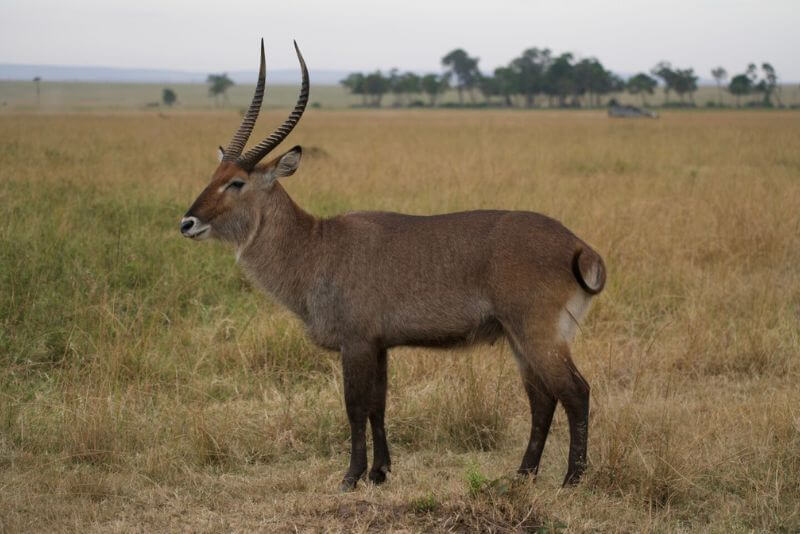
East Africa antelope species:
- Wildebeest — iconic Great Migration species.
- Impala — the most abundant antelope in East Africa.
- Greater Kudu — known for its spiral horns.
- Waterbuck — often found near water sources.
- Gerenuk — unique long neck, stands on hind legs to feed.
East Africa gazelle species:
- Thomson's Gazelle — small, fast, common in Serengeti and Maasai Mara.
- Grant's Gazelle — larger than Thomson's, with a white rump patch.
Ecological surveys of East Africa show that gazelles and antelopes are key drivers of ecosystem health. As plant-eating animals, they transfer food energy to big cats, avoid too much vegetation growth, and cycle soil nutrients. Sadly, they face annihilation because of poachers and predators balancing the webchain. Plus, their habitats face disruption from human settlement, land cultivation, and fencing.
→ DISCOVER EAST AFRICA’S WILDLIFE
Behavior Differences
The behavioral differences between antelopes and gazelles make it simple to differentiate them. Gazelles are more watchful for predators and fast, while antelope behavior depends on species, size, and habitat.
Key behavioral differences:
Predator escape- Gazelles: Stotting or pronking behaviour.
- Antelopes: Running speed, camouflage, or group defense.
Herd structure & social behavior
- Gazelles: Smaller, loosely organized groups.
- Antelopes: Varies widely by species.
Diet & Habitat
- Gazelles: Prefer open grasslands and short grasses.
- Antelopes: Occupy different habitats and diets.
Wildlife experts and experienced guides suggest that understanding these behavioral differences helps guests interpret survival strategies in the African wild. Popular species like Thomson’s, Grant’s, and Dorcas are targets to fast predators like cheetahs, African wild dogs, lions, or spotted hyenas. For antelopes, it depends on the species. E.g. wildebeests are vulnerable to Nile crocodiles and big cats as seen in the Mara River crossing.
How to Tell Them Apart on Safari
To tell them apart on a safari, professional expertise is necessary. Experienced tour guides explain key differential features that include body size and patterns.
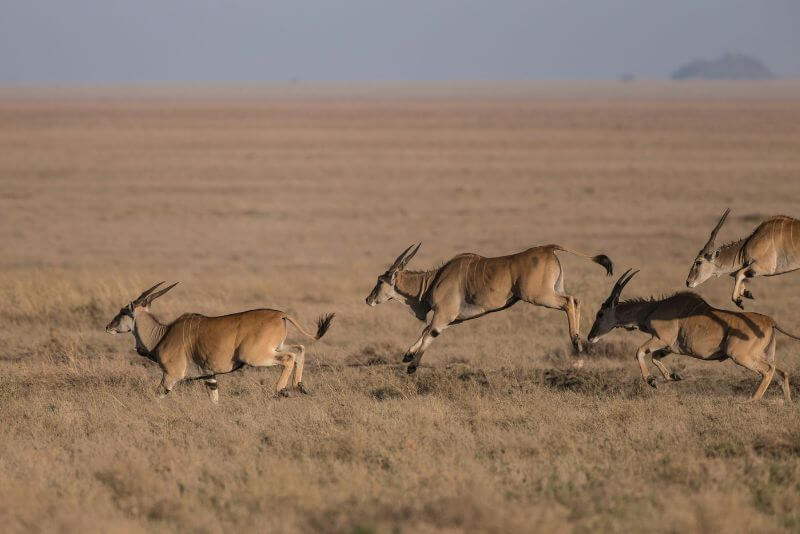
How to differentiate gazelles from antelopes on a safari:
- Look for black stripes & white patches — a strong indicator of gazelles.
- Check body size — gazelles are generally smaller and more delicate.
- Observe behaviour — gazelles tend to stop when alarmed.
- Ask your safari guide for help with identification.
Safari experts recommend visiting Kenya and Tanzania national parks & reserves for unique antelope and gazelle sightings. This includes Kenya’s Maasai Mara & Samburu, Tanzania’s Serengeti, and Ol Pejeta Conservancy in Kenya. Here, you will spot the common East African species. Use expert guidance to engage in tracking them and to learn more about their natural behaviors.
Eager to know if you can tell them apart? Explore our Kenya & Tanzania packages for insightful and interactive wildlife encounters.
Spot the Difference: Antelopes and Gazelles on Your Safari
Spotting the difference between antelope vs gazelle helps travelers identify wildlife with confidence. You also appreciate Africa’s ecosystem more, making you connect to its diverse landscapes and wildlife.
At Shadows of Africa, our professional guides help travelers identify the differences, turning every wildlife sighting into an unforgettable adventure.
Are Giraffes Friendly? Behaviour, Facts & Safety Tips
Giraffes are among the gentlest animals in Africa, but many travelers still ask, "Are giraffes friendly?" During an African Safari, you'll often see these graceful animals roaming savannahs, grasslands, and open forests. They are generally calm and peaceful but can become defensive if they feel threatened. Giraffes mainly feed on the leaves, fruits, and flowers of acacia trees, making them one of the most fascinating wildlife sightings on an African safari.
Their physical characteristics, like huge blue-black tongues, help them adapt to Africa’s hot sun, protecting them from sunburns during grazing. At Shadows of Africa, visitors can observe giraffes behaving naturally in their habitat through our immersive itineraries.
This article explores their behavior towards humans, fascinating facts, and essential safety tips for observing giraffe behavior in the wild.
Towering above the African plains, giraffes capture hearts not through dominance, but through their remarkable grace, curiosity, and gentle nature.
Giraffe Behavior: What Science Tells Us
According to Science, giraffes are very alert and can adjust to any environment. They have flexible social structures, including female-led groups and bachelor males. These structures help more giraffes stay alive and also enhances their chances of successful breeding.
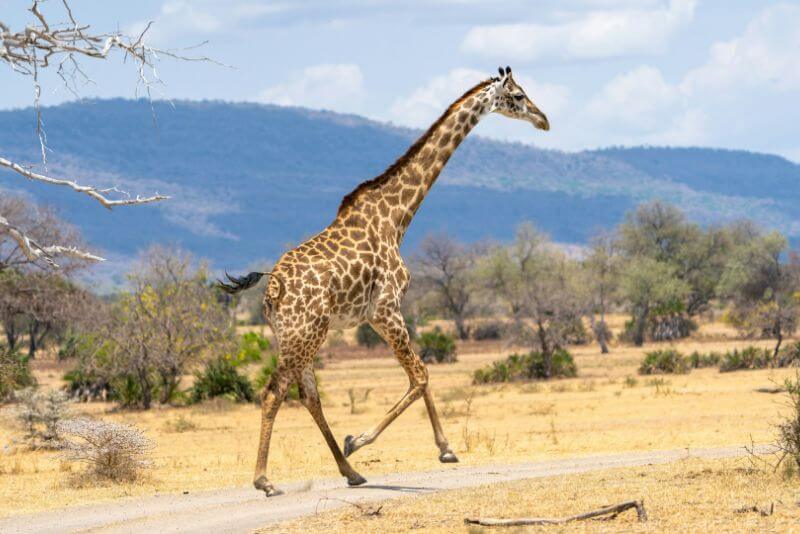
Main giraffe behavior:
- They live in loose social groups.
- They are calm and naturally curious.
- Most of their day is spent feeding on leaves.
- Their long necks help them reach high canopies.
- Males use “necking” to establish dominance.
- Powerful kicks are their main defense.
- Their eyesight helps detect predators early.
The Giraffe Conservation Foundation shows that giraffes communicate through sounds, demonstrative body language, and smell. They use low-pitch sounds like nighttime humming while being mindful of predators. Males engage in “necking” fights to gain authority, which involves swaying their heavy necks against each other. During the mating season, they know if a female is ready when they smell of chemicals.
Are Giraffes Friendly to Humans?
Giraffes are normally peaceful around people. But they are still wild and react out of instinct. Thus, maintaining a safe distance during game viewing is important. Those in protected areas like zoos are more social that they even accept food treats from people.
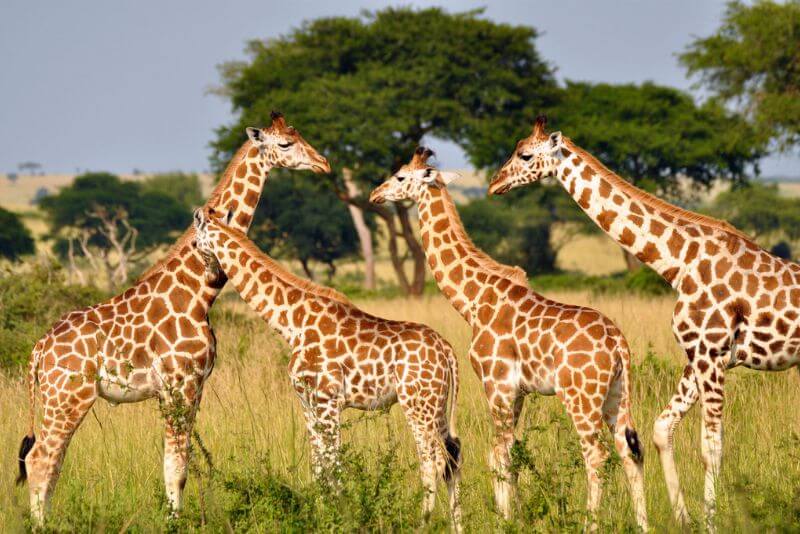
Key takeaways:
- Giraffes are non-aggressive.
- They rarely pose a threat unless they feel threatened.
- Wild giraffes are not domesticated animals.
- Respecting their space helps ensure safe interactions.
- They may approach out of curiosity.
Experienced guides on an African safari recommend never approaching a wild giraffe unless accompanied by a trained professional. They are vigilant creatures, and any unexpected movement can lead to kick blows. Plus, it causes them stress, interrupting their natural behavior. Habituated giraffes lack natural fear responses as they have gained dependency on humans. But for wild ones, they rely on survival instincts to evade predators and to keep space from humans.
When Giraffes Become Dangerous
“Are giraffes dangerous?” A lot of first-time travelers wonder. They stop being peaceful when they feel scared, cornered, or in danger. Their size and strength are their strongest defense, causing serious injuries.

Giraffes become dangerous when:
- Protecting calves or herds from potential harm.
- During the mating season.
- When they feel threatened.
- A predator or a human gets too close.
- During male “necking” fights.
Wildlife incident reports confirm that giraffe kicks are critical when humans get too close. Their legs are long and muscular, allowing them to kick in any direction with great force. In 2018, a British wildlife scientist and his three-year-old son were stepped on by a female giraffe. The giraffe was protecting its two-month-old calf, causing serious harm to the scientist and the child. This incident emphasizes the importance of maintaining distances during game drives for a safe adventure.
Fascinating Giraffe Facts
Fascinating giraffe facts in Africa stem from their behavioral adaptations in surviving the savannah. They are well known for being the tallest mammals worldwide, with long legs and necks. One surprising fact is that they have the same number of neck bones as humans despite their height.
Some of the fascinating facts include:
- Tallest land animal on Earth (up to 5.8 metres).
- The heart size and blood pressure are required to pump blood to the brain.
- Giraffes sleep around 1-2 hours a day.
- Each giraffe has a unique coat pattern like a fingerprint.
- Giraffes share their habitat peacefully with zebras and elephants.
Here is a detailed facts table:
Fact Detail Height Up to 5.8 metres (males) Weight Up to 1,930 kg (males) Lifespan 20–25 years in the wild Gestation ~15 months Daily sleep Less than 2 hours Safari experts recommend focusing on a few giraffe adaptations as they survive on a few hours of sleep daily. They take short naps instead of deep sleep as a survival mechanism to avoid predators. So, concentrating on a specific wonder avoids cognitive overload, making the safari more engaging and conservational.
Wondering how well you know giraffes? Contact our safari experts for a game drive in Africa to explore the giraffe facts and have a meaningful adventure.
Where to See Giraffes on Safari
Visitors can see them in wildlife reserves and national parks across East and Southern Africa, as they are native to Africa.

Top–rated destinations include:
- Serengeti National Park, Tanzania.
- Maasai Mara National Reserve, Kenya.
- Amboseli National Park, Kenya.
- Nairobi Giraffe Centre (close-up encounter).
Based on real safari conditions in Africa, East African savannahs and forests offer the best giraffe views. Travelers get to spot free-roaming giraffes across vast open plains, securing authentic experiences. Parks such as Arusha National Park offer guided walking safaris that allow visitors to see giraffes from the ground. Even private conservancies surrounding the Maasai Mara enable close-up and personal encounters by limiting the number of vehicles.
Ready to book your East African adventure? Contact our safari consultants for an immersive giraffe game viewing or walking safari.
Safety Tips When Encountering Giraffes
During a safari giraffe encounter, space and calmness are important. That is why guides emphasize slow and patient observations for a rewarding and safe experience. Plus, doing this allows the herbivorous animals to continue with their daily activities, demonstrating natural behavior.
Safety tips to keep in mind:
- Remain inside your safari vehicle unless instructed otherwise.
- Maintain a respectful distance — at least 20–30 metres in the wild.
- Avoid positioning yourself between a mother giraffe and her calf.
- Move slowly and quietly to avoid startling the animal.
- Follow your guide's instructions at all times.
Wildlife experts stress the importance of listening to tour guides when on an African Safari. They specifically oppose petting wild giraffes unless it is under controlled sanctuary conditions. They are known to love their space, hence why they avoid human interaction. For giraffes in protected areas, always feed them from the front, hold treats properly, and avoid teasing. Also, do not use flashlights or drones for photography, as it frightens them.
Meet the Gentle Giants of Africa on Your Next Safari
Giraffes are among the most beloved animals on earth because of their gentle nature, height, and unique behavior. When encountering a giraffe, remember to maintain safe distances and follow your guide’s instructions. Being wild animals, they react based on instincts, emitting very powerful kick blows when they feel threatened or startled.
At Shadows of Africa, we design immersive safari experiences that allow visitors to see wild giraffes in their natural habitats and others in protected sanctuaries.
Are There Tigers in Africa? Myth vs Reality Explained
Are there tigers in Africa? This is a question many first-time safari goers ask in hopes of spotting them next to lions. But unfortunately, there are no tigers in Africa.
They are native in Asia as African geographic and climatic conditions prevented any tigers from living. Regardless, Africa boasts the presence of big cats including lions, leopards, and cheetahs. At Shadows of Africa, we design tailor-made itineraries across Kenya and Tanzania national parks & reserves, securing predator sightings. Visitors get guided, on-ground observations of their behavioral actions, creating authentic safari experiences. From seeing how lions hunt in prides to the swift movement of cheetahs.
This article clears up one of the most common wildlife myths, explains where tigers actually live, and introduces Africa's own big cats that travelers can look forward to seeing on safari.
The Short Answer: Are There Tigers in Africa?
The short answer is no — there are no tigers in Africa and there have never been. A lot of travelers expect to see them on a safari because of the tigers in Africa myth. But the harsh reality is, they are only native to Asia.

The myth comes from a few specific sources:
- Media and language: Movies, stories, and lingo describe “lions and tigers” together, making people assume they live in the same place.
- Africa’s Big Cats: People tend to confuse big cats for tigers because of their similar features and behavior.
- Historical geography: Early tiger ancestors evolved in Asia making people assume they would thrive in Africa too.
Based on the African Wildlife Foundation, conservation knowledge, and firsthand safari expertise, ecologists oppose the introduction of tigers alongside predators. It would cause extreme habitat and ecological destruction plus it is a major threat to African lions. Furthermore, the International Union for Conservation of Nature (IUCN) categorizes tigers as endangered on its red list. This is a well known organization that deals with assessing species extinction risk, so it’s a credible source.
Where Do Tigers Actually Live?
The majority of tigers live in Asia with other populations distributed across India. They can adapt to any environment spanning from the mangrove swamps of Southeast Asia to the freezing pine forests of the Russian Far East. Their habitat requirements include dense cover (thick vegetation), reliable water sources (to cool off in hot weather), and plentiful prey.
Key locations:
- India and Nepal.
- Russia.
- Southeast Asia (Indonesia, Bangladesh, Malaysia, Thailand, and Bhutan.)
- China.
According to wildlife experts and the current knowledge of tiger habitats and distribution, different tiger species live in different regions. For instance, the Bengal tiger can live in dry thorn forests or jungles. The Siberian (Amur) does well in mountainous regions that are freezing cold while Indochinese, Sumatran, and Malayan survive in warm conditions. The South China tiger stays in protected reserves near the Russian border.
Why Do People Think Tigers Live in Africa?
On an African safari, many visitors expect to see tigers because of the presence of big cats, specifically lions. This makes people overlook their actual geographic distribution, assuming they will spot them. Plus, Africa is well known for hosting iconic wildlife species.
Another thing, South Africa zoos and private reserves host captive tigers for tourism and breeding programs. This display alongside African animals blurs what is wild and native.
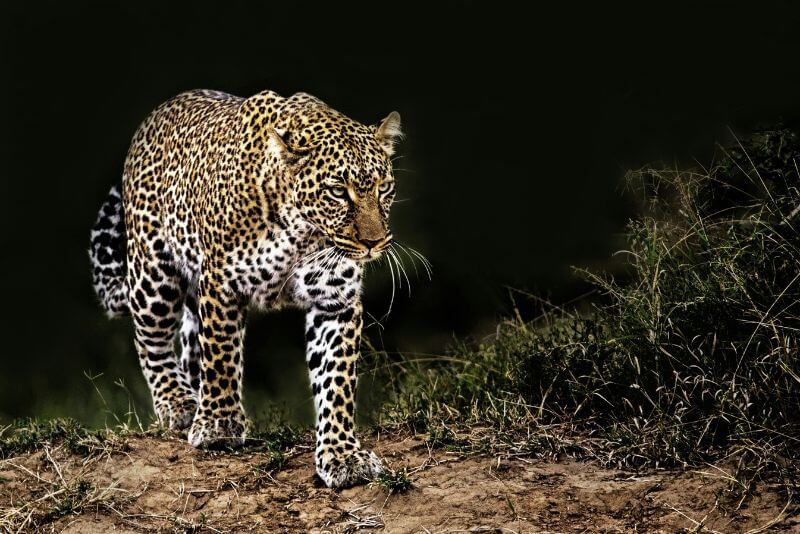
Reasons why people think tigers live in Africa:
- Pop culture groupings.
- Some people confuse tigers with African lions.
- Zoos show African and Asian animals in the same area.
- Limited knowledge of wildlife geography.
- Children's books and cartoons simplify animal habitats.
- Tigers and lions are both patterned.
Wildlife distribution data shows that there are no wild tigers native to Africa. They exist only in 13 countries, mainly India, Russia, and Southeast Asia. Historical myths and cultural storytelling tend to confuse safari goers, leading to dissatisfaction. Oral stories point out how the strong and powerful tiger is outsmarted by smaller, clever animals. Many historians believe people back then confused them with leopards as there have never been wild tigers in Africa.
Africa’s Big Cats: What You Will Actually See
Spotting big cats in Africa is a highlight for many safari enthusiasts. Safari experts advise guests to manage their expectations as animal behavior changes throughout the day.
For example, lions mostly hunt at dawn or dusk. So, don’t be disappointed when you spend more time watching them resting, sleeping, or playing with cubs. This happens because they emit a lot of energy, requiring 18 to 20 hours of daily rest.
Africa’s Big Cats include:
- Lion — the apex predator of the savannah.
- Leopard — the elusive night hunter.
- Cheetah — the fastest land animal.
Big Cat Found in Africa? Habitat Best Place to See Lion Yes Savannah, grasslands Serengeti, Masai Mara Leopard Yes Bush, forest, rocky terrain Kruger, Sabi Sands Cheetah Yes Open plains Serengeti, Masai Mara Tiger No Asia only India, Southeast Asia Based on real safari conditions, timing plays a great role in spotting lions, leopards, and cheetahs in Africa. Seeing as they survive on successful hunts and kills, the seasonal migration increases their presence. In Kenya, it happens from July to October and in Tanzania from June to October. Prey animals gather around water sources, making them easy targets. Other smaller wild cats in Africa include the Serval, Caracal, African wildcat, and the Black-footed cat.
Ready to spot the big cats in their natural habitats in Africa? Contact our safari experts for an authentic and unforgettable East African adventure.
Family-Friendly Safari Tours in Tanzania With Kids (Complete Guide)
A Family Safari In Tanzania is more than a vacation. It is a front-row seat to nature’s wildlife, scenes, and culture. With the right planning, families achieve a safe and engaging safari experience. Tanzania safari tours also offer educational experiences suitable for kids.
According to Shadows of Africa, Tanzania is perfect for families with kids. It includes wildlife and ecosystem viewing with a touch of cultural immersion. Its safe environment allows kids to witness the beautiful wonders of nature. With top-tier family accommodations in lodges or camps.
This guide shows how Tanzania is perfect for a family safari by looking at;
- The best family safari parks in Tanzania.
- Safety tips for traveling with kids.
- Ideal safari durations for families.
- Kids' safari lodges and activities.
Let us now help you book your next unforgettable Tanzania safari with kids!
Why Tanzania Is the Perfect Destination for a Family Safari
Before delving into the key details, it is important to first consider why Tanzania stands out as an ideal destination for a family safari.

A family safari in Tanzania guarantees adventure, safety, and enriching cultural experiences. Throughout the year, animals are present in parks like Serengeti National Park. Whereas Zanzibar provides relaxation on its white sand beaches, all creating unforgettable memories. With family-friendly lodges and engaging cultural experiences, Tanzania is ideal for all ages.
Here is why you should book that Tanzania safari with kids:
- Diverse wildlife, including the Big Five and countless other species.
- Stunning landscapes featuring endless savannah plains and lush tropical rainforests.
- Easily accessible national parks and wildlife reserves.
- A safe, family-friendly tourism infrastructure designed for travelers with children.
- Private, hand-picked game drives and comfortable transportation vehicles.
- Personalized educational itineraries that make learning about wildlife and nature fun for kids.
- Professional guides are assigned to you throughout the trip.
- All accommodations have tight security.
Recent travel insights show tailored itineraries are perfect for families. Parents should consider cultural engagement with the Maasai to educate kids. They should also book lodges with pools, family suites, and kids’ clubs to keep them active. All these ensure an immersive and well-rounded experience.
Best Tanzania National Parks for Kids and Families
A Tanzania safari with kids includes visiting famous parks. Parks like Serengeti National Park offer dense wildlife populations that keep children engaged. Parents also need to consider accommodations that are accessible and have the necessary amenities.

Here is what each park offers your family;
Serengeti
Kids yearn for exciting adventures they will share stories about. Serengeti National Park is an exciting destination that offers up-close wildlife viewing. It is well guided, so parents have no safety issues to worry about. It also provides shorter game drives, enhancing engagement and comfort.
Below is a list of what to expect in Serengeti:
- It is home to the iconic Great Wildebeest Migration and the Big Five.
- Has unending savannah plains that act as home to other animal species.
- Features predators in their true wild, natural form.
- Animals are ever-present, guaranteeing a fun and active game drive throughout.
- Offers both budget-friendly and luxurious accommodation options.
- Long but manageable driving distance.
Recent travel insights show the Serengeti offers lifetime memories. Experts recommend it for children aged between 6 and 8 years because of the high presence of big cats. Parents should consider lodges with children's programs to keep them active throughout.
Ngorongoro
Ngorongoro Crater offers unique experiences due to its enclosed location. It allows families a chance to witness a dense view of wildlife in one area. Family-friendly lodges make game drives manageable for young travelers.
Ngorongoro offers:
- High wildlife population that keeps kids engaged.
- It is home to the Big Five.
- Short driving distances that make it less tiring for kids.
- It can be visited all year round.
- Cultural experiences with the Maasai who live in the Crater.
- Variety of activities like birdwatching and guided nature walks.
- Close-up wildlife viewing.
- Family-friendly infrastructure and amenities.
Safari experts recommend Ngorongoro for families because it offers an “easier” escapade. Families can see the Big Five in a short time, reducing child fatigue.
Tarangire
Tarangire National Park provides a more relaxed and enjoyable family safari in Africa. Its beautiful baobab trees offer a relaxing atmosphere. Whereas its large elephant herds provide enjoyable game drives.
Here is what to expect:
- Offers an incredible game driving experience all year round.
- Known as the elephant paradise, it is easy for kids to spot elephants interacting.
- Accessible wildlife during the dry season near the Tarangire River.
- Mass population of baobab trees and giant red termites.
- Less crowded, offering a more intimate experience.
- It is easily accessible.
- Offers engaging activities like birdwatching and walking safaris.
Travel experts recommend Tarangire when visiting Tanzania with kids. It provides safe, educational, and accessible safari experiences. Even better, it offers lodges with swimming pools and family-friendly tents.
Lake Manyara
Lake Manyara National Park offers different safari experiences from the ordinary. It is well known for its colorful birdlife and tree-climbing lions. Families enjoy scenic views during their short game drives, providing an enjoyable time.
Lake Manyara is:
- Easily accessible and has short game drives.
- Home to abundant flamingoes turning the lake beautifully pink.
- Great for canoeing in the wet season and traditional game drives year-round.
- Offers beautiful sightings of tree-climbing lions.
- Perfectly safe for families with kids to take guided nature walks.
- Has diverse habitats and scenery.
- High animal population. They include giraffes, zebras, elephants, flamingoes, wildebeest, klipspringer, and cape buffalo.
Based on real travel experiences in Tanzania, families should visit parks. They provide fun, cultural, and educational experiences.
Family-Friendly Safari Activities
Tanzania family safari tours need engaging and educational activities. This keeps children calm and entertained- giving parents an easy time on vacation.

The top kid-friendly safari activities include;
- Short game drives that spot ‘big’ animals fast. It keeps children active and less exhausted.
- Visiting Maasai villages. Allows families to experience their culture through dancing, jumping, storytelling, and traditional craft-making.
- Walking safaris and nature walks. Kids above 10 years can take part in this with the supervision of professional guides.
Experienced travel experts suggest using tour operators that have family-specialized guides. Their itineraries give room for flexibility and ease of mind whenever the kids are not with you.
Best Accommodation for Families
The best accommodations for families include;
- Family safari lodges. They provide safe amenities like private safari vehicles and guided nature walks. Swimming pools are also present.
- Tented camps. They are spacious, private, safe, and convenient. Family-friendly amenities like pools are also available.
- Private safari villas. They have no age restrictions and include personal guides, chefs, and house managers. Private swimming pools and lounges for relaxation are available.
Safari experts recommend these accommodations for a rewarding safari with the children. They create some ‘time-alone’ for parents and still ensure kids are safe. Facilities provide professional guides or babysitters, improving convenience.
Safety Tips for Traveling with Kids
Traveling for a Tanzania safari with kids mandates careful preparation. As much as you are on vacation, safety and kids' engagement are top priorities.
Some of the safety tips parents need to practice include;
Health Precautions
- Carry antimalarial tablets.
- Up-to-date vaccinations like Hepatitis A, Hepatitis B, Typhoid, and Tetanus should be conducted.
- Use of DEET mosquito repellent (20-30%).
- Sleep under mosquito nets.
- Dress kids in long-sleeved clothes.
- Use SPF 50+ sunscreen, carry sunglasses, and wide hats to avoid the scorching sun.
- Regular drinking of bottled or filtered water.
- Have a medical kit with you at all times in case of an emergency.
Wildlife Safety Rules
- The guide's instructions on the wildlife must be strictly obeyed. That is, staying silent and seated when close to the animals and not touching them.
- All windows should remain closed.
- Kids should have their shoes on at all times.
- Drink water regularly and provide snacks during game drives.
- Kids should be dressed in long-sleeved clothing to avoid tsetse fly bites.
Travel Insurance
- An insurance coverage offering $1 million dollars covers medical and evacuation emergencies.
- Activity coverage should include game drives, walking, and trip cancellations.
- Kids should be under a comprehensive plan or individual coverage if needed.
According to family safari planners, families need to observe safety standards. Health risks (malaria) and heat risks (dehydration) are probable. Proper planning with your tour operator is essential to keep safe at all times.
Best Time to Plan a Tanzania Family Safari
Tanzania family safari tours are best explored when the kids have closed school. This correlates with the dry season, late June to October, which is considered the best time for a safari.

Dry season advantages include;
- Easy spotting of animals due to thinner grass and reduced vegetation.
- Concentrated wildlife viewing near permanent water sources like the Tarangire River.
- Witnessing the Great Migration river crossing in the Northern Serengeti.
- Improved road conditions and easy accessibility to remote areas.
- Conducive weather for kids.
- Less mosquito presence reduces the risk of getting malaria.
- Clear skies that offer easy visibility, providing excellent photography opportunities.
Family planners recommend planning your family safari during the dry season. Apart from the advantages listed above, your kids won’t have to miss school. Despite the warm conditions, parents are still advised to observe malaria precautions.
Create Unforgettable Family Memories on a Tanzania Safari
With this guide, it is now easy to embark on a family safari in Africa. Good preparation guarantees a family safari portrait hanging on your living room walls.
Kids deserve fun too. They will grow up to tell tales of the incredible safari experiences they had with their parents. At Shadows of Africa, our experts tailor itineraries that are safe and engaging for kids' pace. Our guides offer premium services and supervision, promoting convenience. We take you to the most iconic parks with massive wildlife populations and unique scenery. Our aim is to offer unforgettable and immersive cultural experiences for your family.
Explore our Tanzania family safari packages now to give your children an experience they will remember for life.
How To Experience The Maasai Culture on Your Kenya Safari
A Kenya safari is often defined by thrilling wildlife encounters. However, what makes it unforgettable is connecting with the Kenyan people. A Maasai Culture Kenya Safari offers interactive experiences where tourists engage in traditional activities and create lasting memories.
At Shadows of Africa, experiencing the Maasai Culture is an essential part of a Kenya safari. Authentic on-ground experiences create more unforgettable connections. We take pride in providing Maasai village visits to Maji Moto. Our clients walk around the village and interact with their day-to-day lives. The Maasai are warm to strangers, and professional guides ensure culturally respectful interactions.
This guide shows how to maintain respect while engaging with the Maasai.
Key Takeaways:
- Learn who the Maasai people are.
- Discover cultural experiences available to travelers.
- Understand ethical cultural tourism.
Know where to visit Maasai communities.
Who Are the Maasai People?
The Maasai are a pastoralist group living in southern Kenya and northern Tanzania. In East Africa, they are well known for cattle grazing and moving from one place to another.
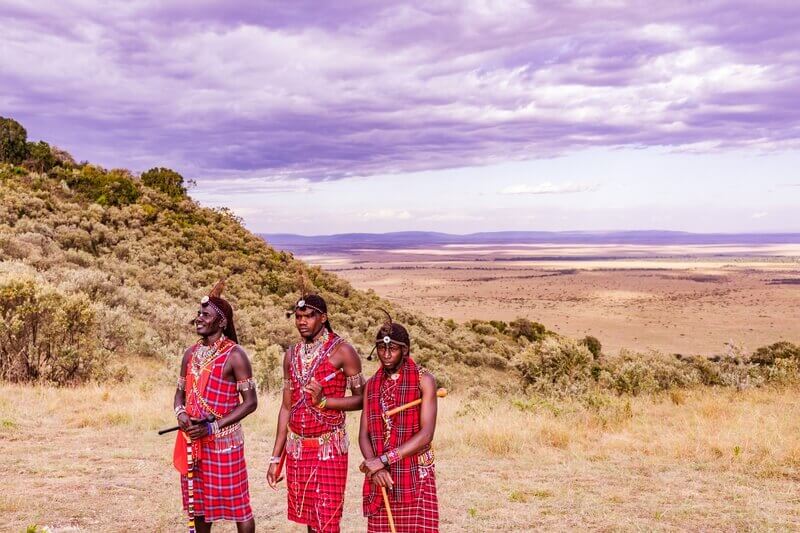
Respect is central to their culture, reflected in their deep commitment to land, community, and livestock - all key to their identity. Visitors should maintain the same level of respect, being considerate of their beliefs. Despite the modern influences, they have continued to preserve their heritage.
Here is a simple breakdown of who they are:
- Well known for their unique red ‘shukas’ and vibrant beaded jewellery.
- The number of cattle a man owns symbolizes livelihood or wealth.
- Age-sets represent bonds of unity and transition from childhood to warrior to elder.
- They speak the “Maa” language.
- Warriors display strength by conducting their traditional dance called ‘adumu’ (the jumping dance).
- They build temporary, circular villages called bomas or manyattas.
- Elders make all decisions about the community.
- Their diet traditionally includes meat, milk, and blood.
- They face modern challenges such as land pressure and climate change.
According to local guides, a large group of the Maasai live in Ngorongoro and the Maasai Mara. Here, they live in unity with the animals, displaying remarkable courage and coexistence with animals.
Where To Experience Maasai Culture
For an incredible Maasai tribe experience, tourists should visit their villages, "bomas". The Maasai live within or near national parks. They maintain their semi-nomadic and pastoralist culture of cattle grazing and now, tourism.
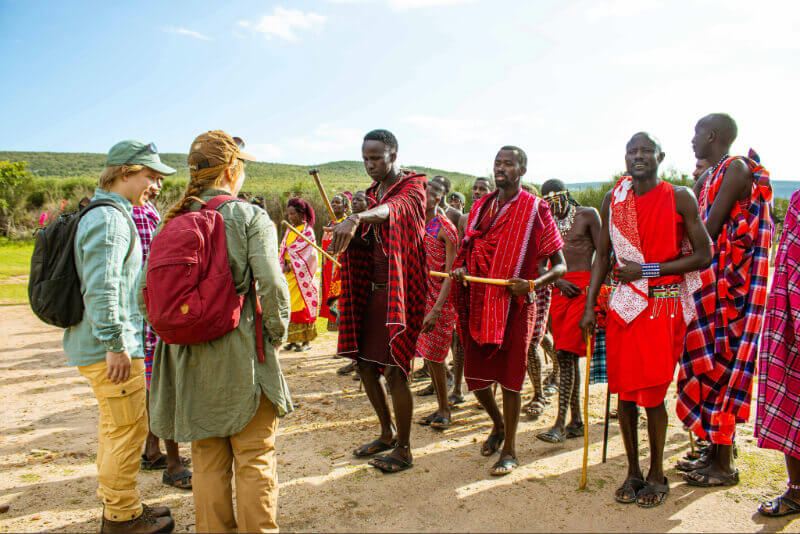
You can find them in iconic destinations like Maasai Mara National Reserve and Amboseli National Park. These locations offer:
- Maasai Mara (Kenya): Has a lot of Maasai villages that take 1-2 hours to explore.
- Amboseli National Park (Kenya): has a scenic Kilimanjaro backdrop for Maasai visits.
- Ngorongoro Conservation (Tanzania): Offers a more intimate and traditional lifestyle.
Travel experiences show that visiting Maasai villages is as valuable as safari game drives. Kenya and Tanzania offer on-ground interactions with the pastoralists who coexist with wildlife.
Cultural Experiences for Travelers
Engaging in Maasai traditions in Africa creates authentic experiences. Travelers visit their local villages, getting a deep look into their heritage and customs.
Some of the Maasai cultural experiences include:
- Boma/Manyatta visits, like Maji Moto, where guests take part in cooking or building.
- Traditional dances that include jumping and listening to traditional songs.
- Intimate beadwork sessions with the Maasai women.
- Engaging in traditional activities like spear-throwing and learning how to use the ‘rungu’.
- Guided bush walks that include wildlife and medicinal plants tracking.
- Interactive sessions through fireside storytelling.
Experts suggest that a Maasai village visit is not only fun but also educational. It includes song, dance, bead-making, and interactive storytelling.
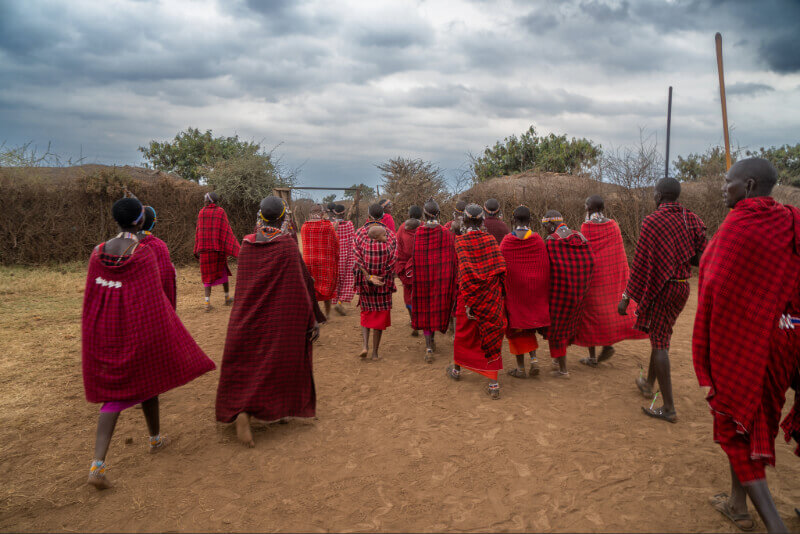
Responsible Cultural Tourism
A Maasai culture Kenya safari must observe responsible tourism. Travelers should choose ethical, community-led operators that directly benefit local livelihoods.
Responsible cultural tourism looks like:
- Always asking if you can take photos.
- Participating in their traditional activities.
- Buying handicrafts from the Maasai women.
- Respecting their privacy.
- Booking with community-run operators.
UNESCO recommends responsible tourism that focuses on adhering to Intangible Cultural Heritage (ICH). Guests must respect their land rights and observe friendly environmental practices.
Combining Culture with Safari
A Kenya cultural safari includes spotting animals plus engaging with the Maasai. Places like the Maasai Mara and Amboseli National Park offer top-tier experiences.
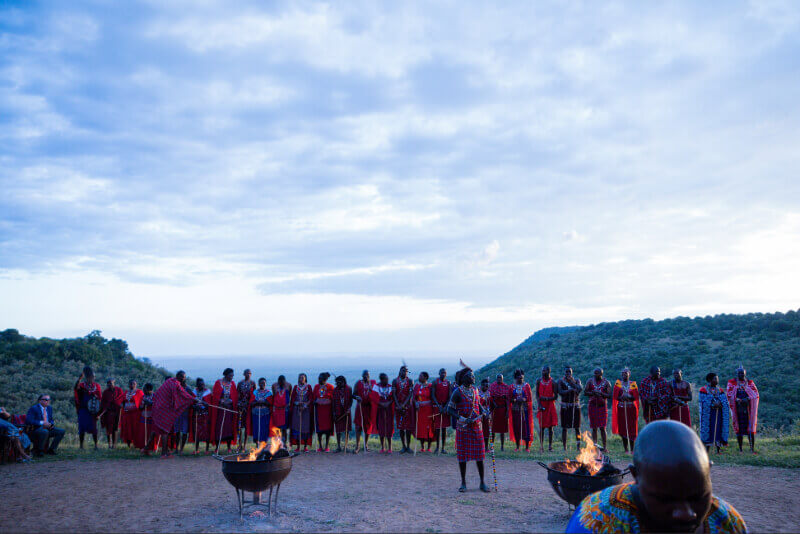
A combined culture with safari includes:
Wildlife and cultural immersion
This blend offers a richer experience, combining wildlife encounters with cultural interactions. You shift from dusty game drives to interacting with local communities. Together, they form a meaningful connection to both nature and culture.
Guests can experience this in:
- The Maasai Mara National Reserve is home to the Big Five, with Maasai village visits
- The Amboseli National Park is home to Maasai warriors and the beautiful Kilimanjaro.
Travel experts highlight that the Maasai play a crucial role in conservation. Tourists are also encouraged to do the same, contributing to protecting Kenya's heritage.
Guided Experiences
These interactions provide educational, immersive, and meaningful experiences. Tourists get to learn about ecosystems, traditions, and conservation efforts. Professional guides also ensure respectful visits to local communities.
It involves:
- Visitors engage in guided walking safaris to track animals and visit Maasai villages.
- Guides share educational insights into local ecosystems and culture.
Guided wildlife and cultural experiences maintain safe and immersive safaris. They involve lots of wildlife sightings and cultural interaction.
Tips for Visiting Maasai Communities
A Maasai Culture Kenya safari is exciting, but travelers should follow local guidance. Supporting ethical, community-led experiences is essential for responsible travel.
Tips for visiting Maasai communities:
- Wear decent and dull clothes.
- Obey your guide.
- Ask permission before taking photos.
- Do not interrupt ceremonies.
- Buy beaded jewellery from the Maasai women.
- Take part in traditional activities.
Based on first-hand safari experiences in Kenya, respectful travel contributes to long-lasting memories.
Discover the Living Traditions of the Maasai People
A Kenyan cultural safari awaits you! Pack your bags and embark on a heart-stirring blended adventure. From thrilling game drives to taking part in “Adumu” with warriors. Local village visits enable tourists to learn new skills like beadmaking and building. Not forgetting the breathtaking Kilimanjaro backdrop view in the Amboseli National Park.
At Shadows of Africa, our team of experts curates customizable and conservative itineraries. We focus on an authentic and safe immersive Maasai tribe experience with wildlife viewing. Our main goal lies in ethical and face-to-face interactions. Our local guides offer deep insights into Kenya’s diverse heritage.
Ready to experience authentic Maasai culture alongside world-class wildlife? Plan your personalized Kenya safari with us today.
Serengeti vs Amboseli: Which Safari Destination Is Better in 2026?
Serengeti vs Amboseli? Choosing between the two destinations depends on your travel goals. Imagine watching thousands of wildebeest cross a crocodile-filled river in the Serengeti. Or, capturing a herd of elephants walking beneath snow-capped Kilimanjaro in Amboseli. Each destination has something for everyone, creating meaningful experiences.
Shadows of Africa highlights that travelers should choose based on their safari expectations. That is, what type of animals you want to see, the time available, prices, and your safari preference. This ensures meeting your safari expectations and getting value for your money.
This guide digs deeper into the Amboseli vs Serengeti safari. Based on factors like wildlife, landscapes, accessibility, and travel trends.
Overview of Serengeti National Park
The Serengeti National Park was founded in 1951 in Tanzania. It is 15,000 km² with vast savannah plains that host the Great Wildebeest Migration.
The migration involves 1.5 million+ wildebeests and thousands of other animal species. Guests can expect to see zebras, gazelles, and antelopes. More fascinating, tourists can also spot the Big Five in the park. This in turn creates a true wilderness feel for all visitors.
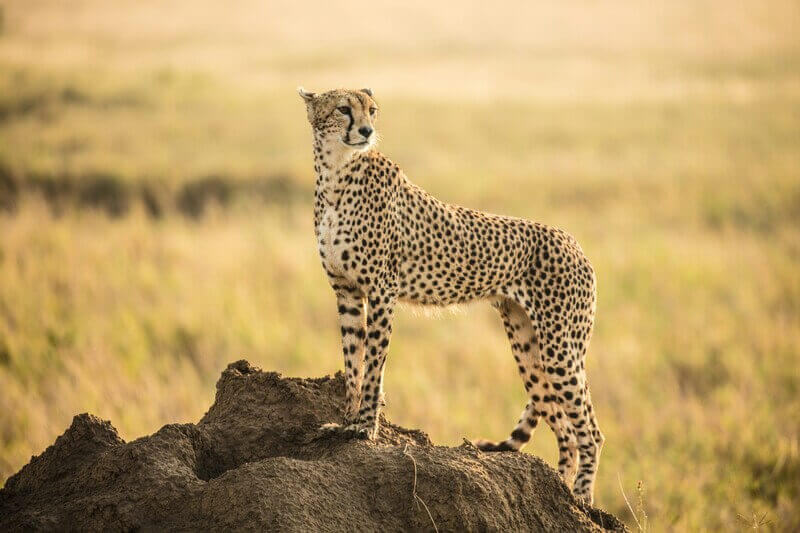
A Serengeti wildlife safari is ideal because game drives are active. They involve abundant wildlife sightings and a lot of regions to explore. It is known for frequent predator action keeping travelers engaged throughout. Exploring its large ecosystem takes a day or many days.
Overview of Amboseli National Park
Amboseli National Park was established in Kenya in 1974. It is located at the foot of Mount Kilimanjaro hence the name “Royal Court of Kilimanjaro”.
Amboseli is home to large populations of elephants. They live in its dotted green swamps and dry plains. During the Amboseli Elephant Safari, visitors have the scenic backdrop view of Mt. Kilimanjaro. The park is small (392 km²) contributing to a short and more relaxed safari. Besides elephants, visitors can also spot lions, leopards and giraffes. The park is also home to 47 raptors of 350 bird species, welcoming all birdwatchers.
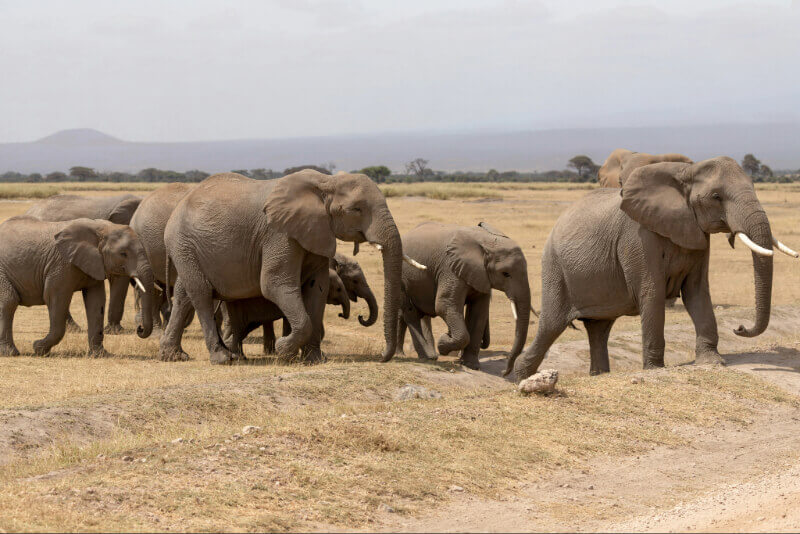
Prime water sources in Amboseli are large papyrus swamps originating from Mount Kilimanjaro. The park also has a temporary lake, Lake Amboseli, that comes from underground streams from Mt. Kilimanjaro.
The Maasai community stays in Amboseli offering a timeless African experience for tourists. Guests can visit their local villages under supervision for a full immersive safari.
Wildlife Comparison: Serengeti vs Amboseli
Below is a table comparing Serengeti and Amboseli for easier decision-making.
Feature Serengeti Amboseli Size Large Small Wildlife Variety Extremely high Low Elephants High Very high Landscape and Scenery Differences Explained
Serengeti is larger in size than Amboseli. Due to this, it offers more extensive game drives compared to the enclosed park. Below is a detailed landscape comparison table of each park;
Feature Serengeti National Park Amboseli National Park Size 15,000 km² of large plains. Enclosed in 392 km². Landscape Endless savannah plains, open woodlands, and acacia forests. Dry, flat savannah plains with green wetlands. Vegetation Rocky Kopjes and riverine forests. Sparse acacia trees and yellow “fever” tree forests. Water Sources Permanent rivers like the Mara and Seronera and seasonal rivers like the Mbalageti river. Permanent swamps like Enkong Narok and other seasonal wetlands. Scenic Views Massive wildebeest migration,crocodile-filled Grumeti and Mara rivers and Seronera valley. Stunning views of Mt. Kilimanjaro, panoramic views from Observation Hill, and flamingo-filled alkaline lake beds. Safari experts recommend Amboseli for private, relaxed, and short experiences. Whereas, Serengeti is best for long, remote, and vast experiences.
Comparing Safari Experiences in Tanzania and Kenya
Serengeti and Amboseli provide unique experiences based on your safari preference.
Below is a comparison table of a Tanzania vs Kenya safari focusing on major aspects;
Feature Tanzania (Serengeti) Kenya (Amboseli) Game Drives Style Long and immersive. Full-day drives covering large distances. Short and more relaxed drives due to smaller size. Game Drive Experience Dynamic and active. Includes predator hunts, large herds, constant movement. Slow-paced and scenic. Focuses on elephants and consistent wildlife near swamps. Wildlife Encounters During Drives High variety and unpredictable. Focus on big cats and large scale movement. Reliable, especially for elephants. Fewer dramatic predator interactions. Photography Opportunities Migration, predators, dramatic wildlife behaviour) and wide-angle landscapes. Elephants with Mount Kilimanjaro backdrop, close-up wildlife shots. Crowd Levels Can be crowded in migration zones but spread out due to size. Lower crowd density offering quiet and relaxed sightings. Vehicle Congestion High at events like river crossings and predator sightings. Low to moderate. Few vehicles at sightings. Travel experts recommend Amboseli for travelers with tight schedules seeking valuable safaris. Serengeti includes long itineraries with expansive landscapes.
Cost and Accessibility Comparison for Travelers
Tanzania vs Kenya safari costs and accessibility differ. Serengeti is more expensive and has more complex travel logistics due to its remoteness. Whereas, Amboseli is affordable with easy access from the capital city, Nairobi.
The tables below contain detailed cost and accessibility comparisons of each park.
Cost Comparison
Aspect Serengeti (Tanzania) Amboseli (Kenya) Average Cost (per day) $350 - $700 per person. $200 - $700 per person. Budget Safari (7 days) $2195 - $2289 per person. $1200 - $1600 per person. Luxury Safari $3242 - $3623 per person. $700 - $1400 per person. Park Fees $70 - $100 per day. Slightly lower or similar ($70 - $80) per day. Transport Costs Higher - involves internal flights. Lower - easy road access from Nairobi. Value More expensive, more remote experience. More affordable, better value for shorter trips. Accessibility Comparison
Category Serengeti Amboseli Main Access Hub Arusha Nairobi Travel Time Long (6-8hr drive). Shorter travel time (4-5hr drive). Transport Options Bush flights or long drives. Easy road trips or affordable flights. Flexibility Best for long itineraries (5-10+ days). Best for time-limited safaris (2-4 days). Infrastructure More remote, fewer roads, more rugged. Well-developed and better connectivity. First-Time Travelers More complex. Easy and straightforward. Experts suggest that Amboseli is a cost-effective option with straight-forward accessibility. Due to this, it is recommended for first-time goers. Serengeti is more expensive because of flying in and longer game-drives. Its large remote location makes it difficult to access.
Which Destination Is Better for First-Time Safari Travelers?
Tanzania vs Kenya safari, which one should you opt for? Below is a detailed decision-focused table comparing what each location offers.
Factor Choose Serengeti Choose Amboseli First Safari Good but involves complex logistics. Best choice - easy logistics and quick access from Nairobi. Extensive Safari Experience Best location - vast landscapes, iconic wildlife, and Great Migration. More limited in scale and variety. Limited Time Not ideal because it needs multi-day exploration. Best option for quick rewarding sightings. Tight Budget More expensive. Budget-friendly. Dramatic Wildlife Action Best for predator action and migration events. Less action, more relaxed sightings. Easy Wildlife Viewing Not suitable because it requires tracking across large areas. Easier - animals concentrated in smaller spaces. Elephant sightings Present but not the main highlight. Best location for large elephant herds. Travel experts recommend the Serengeti for the true wilderness feel. While Amboseli is best for picture-perfect moments paired with cultural integration.
Serengeti or Amboseli - Best Choice for Your Travel Style
Serengeti vs Amboseli comparison guides help travelers choose the right destination. They are both iconic safari destinations with long-lasting memories but offer different experiences.
At Shadows of Africa, our safari experts tailor itineraries for each destination. We ensure all our visitors experience the true African nature with utmost comfort. From tracking river crossings in the beautiful skies of the Serengeti. To special connections with the Maasai in Amboseli and magnificent views from Observation Hill. All creating a once-in-a-lifetime African experience.
Ready to plan your 2026 African safari? Speak to a safari expert now for a memorable and engaging time in Africa!
Tanzania Safari Costs Explained – Budget, Mid-Range and Luxury Safaris
One of the first questions travelers ask when planning an African safari is, What is the Tanzania Safari Cost? The truth is, there is no single answer. Your final price depends on where you stay, when you travel, which parks you visit, and the kind of experience you want
Here is the thing about safari prices. They vary more than most people realize. You might spend $200 per day, or you might spend $2,000 per day. What surprises many travelers is this: both of you could visit the same parks and see the same lions, elephants, and zebras. The difference comes down to how you choose to travel.
This Tanzania Safari Cost guide will walk you through the real numbers. We will look at budget, midrange, and luxury safaris side by side. You will understand what drives prices up and how to plan a trip that fits your budget without missing out on the experience.
Key Takeaways
- Understand average Tanzania safari costs per day
- Learn the difference between budget, mid-range, and luxury safaris
- Discover hidden costs travelers often overlook
- Get tips to manage safari expenses wisely
Average Cost of a Tanzania Safari.
Let us look at the numbers. Tanzania safari cost per day generally fall into three clear categories. These prices are influenced by TANAPA fees. They’ll show what you will pay per person, for each day of your trip.
Safari Type Average Cost Per Day Typical Experience Budget Safari $200–$350 Basic lodges, group tours, camping Mid-Range Safari $350–$700 Comfortable lodges, private guides Luxury Safari $700–$2,000+ High-end camps, fly-in options So, what do these prices actually include? Most Tanzania Safari Packages Cost cover your accommodation, three meals each day, park entrance fees, game drives in a proper 4×4 vehicle, and a professional guide who knows the land. Some operators also throw in drinking water and airport transfers.
But you should always read the fine print. Some Tanzania Safari deals leave out certain meals or park fees. Mid-range and luxury options usually include these automatically .
Budget Safaris in Tanzania.
Budget safaris offer the most affordable way to see Tanzania's wildlife. You will typically join a group tour with six or seven other travelers. Your accommodation will be either public campsites or very simple lodges .

What you can expect:
- Shared safari vehicles with guaranteed window seats
- Simple meals served at camp or the lodge
- Fixed itineraries that do not change
- Basic tents or rooms with shared bathrooms
Best parks for budget safaris:
- Tarangire National Park gives you excellent elephant viewing with lower entry fees than Serengeti
- Lake Manyara National Park packs diverse wildlife into a small area
- Some budget operators also cover Serengeti and Ngorongoro, though you will have shorter stays there
The good parts: You save serious money. Group travel also means sharing the adventure with other people who love wildlife.
The trade-offs: You have less control over your daily schedule. Vehicles can feel crowded. Comfort stays basic, and campsites often mean shared bathroom facilities.
A typical 7-day budget safari runs around $1,800 to $2,500 per person. This covers park fees, accommodation, meals, and transport .
Mid-Range Safari Experiences.
Mid-range safaris hit the sweet spot for most travelers. You get real comfort without the luxury price tag. This category works great for couples, families, and anyone wanting a reliable experience.

What you can expect:
- Private or small-group safari vehicles
- Comfortable tented camps or permanent lodges
- Private bathrooms with hot showers
- Good food and solid service
- More flexible daily plans
Popular places to visit:
- Serengeti National Park for the classic safari feel
- Ngorongoro Crater for almost guaranteed wildlife sightings
- Tarangire for huge elephant herds and ancient baobab trees
Mid-range properties give you proper comfort at fair rates. You sleep well, eat satisfying meals, and save hundreds compared to luxury options. A 7-day mid-range safari typically costs $2,800 to $4,500 per person.
Luxury Tanzania Safari Experiences.
Luxury safaris take things to another level. You are not just seeing wildlife. You are experiencing Africa in serious comfort and style.

What you can expect:
- Fly-in safaris that cut travel time dramatically
- High-end lodges and private camps in prime wildlife areas
- Personal safari guides and private vehicles just for you
- Gourmet meals with fine wine selections
- Spacious rooms with views across the plains
- Spa treatments and bush dinners under the stars
Luxury camps in Serengeti:
Places like Singita Sabora or &Beyond Crater Lodge sit in exclusive wildlife areas. You wake up to savannah views from your bed. You return from game drives to cold towels and welcome drinks. Dinner means multiple courses served in the bush.
Exclusive wildlife viewing:
Luxury camps often sit on private land with fewer vehicles around. You might watch a lion hunt with only your guide nearby. That kind of intimate experience is hard to find in public areas .
A 7-day luxury safari ranges from $6,000 to $12,000 or more per person. Ultra-luxury properties can run over $1,500 per night .
Park Fees and Government Charges.
Park fees make up a big chunk of your Tanzania Safari Cost. These charges are set by the government. They apply to everyone the same way.

Current daily park fees (approximate):
- Serengeti National Park: $70–$83 per adult
- Ngorongoro Conservation Area: $60–$71 per adult
- Ngorongoro Crater vehicle fee: $295 per vehicle
- Tarangire National Park: $50–$59 per adult
- Lake Manyara National Park: $50–$53 per adult
The Tanzania National Parks Authority (TANAPA) says park fees will stay the same for at least 12 more months. Any future increases will come with a full year of advance notice .
A typical 7-day safari visiting Serengeti, Ngorongoro, and Tarangire adds about $500–$700 in park fees per person. This money goes toward conservation work, anti-poaching efforts, and park upkeep .
Hidden Safari Costs Travelers Should Know.
Smart travelers plan their Tanzania safari budget beyond the package price. These hidden costs can pile up fast if you forget about them.

Tips for guides and staff:
Tipping is part of safari culture. Plan to tip your guide $20–$30 per person each day. Lodge staff usually get another $10–$15 per person per day. For a week-long safari, set aside $200–$300 for tips.
Travel insurance:
Good travel insurance runs $50–$150 for a week. It covers medical issues, trip cancellations, and lost luggage. Do not skip this.
Hot air balloon safaris:
A balloon ride over the Serengeti costs $550–$650 per person. It is optional but unforgettable.
Domestic flights:
If you choose a fly-in safari, internal flights add $200–$500 per person. You save driving time but pay more.
Other possible extras:
- Visa fees: $50–$100 depending on your passport
- Alcoholic drinks at lodges
- Laundry services
- Maasai village visits: $20–$50 per person
Tips to Save Money on a Tanzania Safari.
You can cut costs without cutting experiences. These tips help you stretch your safari budget .

Travel during green season:
March through May and November offer lower rates. You will save 30–50% on lodging. The landscapes turn lush and green. Wildlife viewing stays strong, though you might get afternoon showers .
Choose longer safaris:
A 7-day safari actually costs less per day than a 4-day trip. Fixed costs like vehicle rental and guide fees spread across more days .
Join small group tours:
Group safaris cut per-person costs by 30–50% compared to private trips. You share vehicle and guide expenses with others. This works well for solo travelers and couples .
Book with local operators:
Local Tanzanian companies often give better value than international agencies. You skip the middleman markups. Just check for Tanzania Tourist Board licensing first .
Mix accommodation types:
Try camping or budget lodges for part of your trip. Splurge on a luxury lodge for a night or two. This balances cost with comfort .
Skip unnecessary flights:
Driving between parks costs less than flying. The roads are fine, and you see more countryside along the way .
Share costs with friends:
Travel with family or friends and split vehicle costs. A private safari for four often costs less per person than a group tour.
Planning the Right Safari for Your Budget.
Tanzania safaris cover a huge price range. You can spend $200 per day camping under canvas. You can spend $2,000 per day at an exclusive lodge. Both deliver wildlife moments you will carry forever.
The trick is matching your travel style to your budget. If you want comfort and privacy, mid-range or luxury works best. If you want maximum wildlife for minimum cost, budget safaris deliver exactly that.
Tanzania Safari Budget planning gets easier when you know where your money goes. Park fees are fixed. Accommodation and vehicle costs offer wiggle room. Hidden expenses just need advance planning.
Tanzania safari cost per day numbers help you compare options. A Tanzania safari price guide sets realistic expectations. Tanzania safari packages cost shift with season, group size, and what is included.
Remember one last thing. You are investing in more than a vacation. Your safari fees support conservation work, local communities, and wildlife protection. Every dollar helps keep these wild places safe for the future .
Gorilla Trekking vs Wildlife Safaris - What's the Best Safari Experience for East Africa Travelers?
You are planning a trip to East Africa. Now you have a choice to make. Do you go on a wildlife safari in Tanzania? You will drive across open land and look for lions and elephants. Or do you go gorilla trekking? You will walk through mountain forests to find wild gorillas.
Both options are good. But they are not the same. One puts you in wide spaces with animals all around. The other takes you into quiet forests for time with one kind of animal. It is not about which one is better. It is about which one fits you.
This will guide look at the Gorilla Trekking vs Wildlife Safari choice. You’ll learn where these trips happen, what you do during them, and what they cost. You’ll also get an East Africa safari comparison to help you decide. By the end, you will know which option sounds right for you.
Key Takeaways
- See how these two trips differ in place, activity, and wildlife
- Learn where gorilla trekking happens in East Africa
- Compare costs, how hard they are, and what you get from each
- Figure out which trip fits your travel style
What Is Gorilla Trekking?

Gorilla trekking is not like a regular safari. You don’t sit in a car and wait for animals to show up. Instead, you walk into Africa's mountain forests to find a wild gorilla family. It takes work. You might get muddy. But people remember it for a long time.
Your day starts early. You meet your small group at the park office. Only eight people can visit each gorilla family per day. This rule keeps the gorillas safe. It also makes the trip feel special. After a short safety talk, you walk into the forest with your guides.
The walk can take thirty minutes or several hours. The paths are steep and can be slippery. Plants grow thick around you. You might hold onto branches to help yourself. But your guide stays with you. Trackers go ahead to find the gorillas. They tell your guide where to go.
Then you find them. For one hour, you sit and watch. You see a large male watch over his group. You’ll see mothers hold their babies. And again you’ll see young gorillas play in the plants. It feels like something few people get to do.
Where It Takes Place
- Volcanoes National Park in Rwanda: This park is in the Virunga Mountains. The land here is a bit more open
- Bwindi Impenetrable Forest in Uganda: This is a UNESCO site. About half of the world's mountain gorillas live here
- Mgahinga Gorilla National Park in Uganda: This is a smaller park in the same mountain area. You can also see gorillas here
International Gorilla Conservation Programme work tirelessly to protect these primates. Rules are there to keep the gorillas safe from sickness. When you plan Gorilla Trekking Rwanda Uganda, you also help protect these animals. Similarly, your permit money helps protect gorillas. It pays for rangers and helps local communities.
What Is a Wildlife Safari in Tanzania?

A wildlife safari in Tanzania is the kind of trip you see in movies. Instead of walking, you ride in a safari vehicle across open land. It is more calm. But it is still exciting.
You go out in the morning and late afternoon. This is when animals are out. Your guide knows the parks well. They find animals and tell you about them. They stop when you see something you like.
You see many things. Lions rest under trees. Elephants walk with their young. Giraffes move across the grass. Hippos stay in water. People often hope to see the Big Five. That means lions, leopards, elephants, buffaloes, and rhinos. But you also see zebras, wildebeests, cheetahs, hyenas, and many birds.
Where to Go in Tanzania
- Serengeti National Park: Known for its grass plains and the Great Migration. Millions of animals move through here each year.
- Ngorongoro Crater: This is an old volcano. Many animals live on its floor all year.
- Tarangire National Park: Known for its elephants and baobab trees.
- Lake Manyara National Park: A park with a lake. It is known for lions that climb trees and for flamingos.
Good to Know: The Tanzania National Parks Authority takes care of these places. Your guide helps you see more. They know how to find animals and keep a safe distance. Many guides have worked in these parks for years .
Gorilla Trekking vs Wildlife Safari – Key Differences
Let us look at the differences side by side. This can help you choose.
Feature Gorilla Trekking Wildlife Safari Where you go Rwanda and Uganda Tanzania and Kenya The land Mountains with steep paths Flat grass and trees Animals Mountain gorillas Many kinds of animals Activity Hiking Game drives When you think about a gorilla trekking vs safari experience, it comes down to one thing. Do you want time with one animal group? Or do you want to see many kinds of animals?
Cost Comparison: Gorilla Trekking vs Safari
Money matters when you plan a trip. Here is how costs compare.
The biggest cost for gorilla trekking is the permit.
- Gorilla Trekking Permit: In Uganda, a permit costs about $800 USD per person. In Rwanda, it costs about $1,500 USD per person. This lets you spend one hour with the gorillas .
- Park Fees for Safaris: Tanzania's park fees are lower. You pay about $30 to $80 USD per person, per day inside a park. You pay this each day.
Experience Typical Cost (per person) Gorilla Permit (Uganda) About $800 USD Gorilla Permit (Rwanda) About $1,500 USD Tanzania Park Fees About $30 to $80 per day Other costs to think about:
- Where You Sleep: Both areas have places for different budgets. Simple camps. Lodges. More costly places too.
- Getting Around: For gorillas, you may need a flight or a long drive from the city. Safari packages often include a car and driver.
- Tipping: It is normal to tip your guide and staff. Put this in your budget.
Which Experience Is Better for Different Travelers?
There is no right or wrong choice. It depends on what you like.
Pick Gorilla Trekking if:
- You like to walk and do not mind mud.
- You want a rare animal meeting that feels personal.
- You want to see how gorillas live and act.
- You want a trip that stays with you.
Pick Wildlife Safaris if:
- You want to see many kinds of animals.
- You like to relax while someone else drives.
- You travel with people who have different fitness levels.
- You like to take photos of wide open spaces.
Many people find that one of these trips feels right. Go with that feeling.
Combining Gorilla Trekking with a Tanzania Safari

Here is some good news. You do not always have to pick one. Many people do both. It is a way to see more of what East Africa has.
Most people do the gorilla trekking first. They have more energy then. Then they go on the safari. The easiest way to move between places is to fly. You can fly from Kigali in Rwanda or Entebbe in Uganda to Kilimanjaro Airport in Tanzania.
A Simple Trip Idea
- Days 1 to 3: Fly to Kigali, Rwanda. Go to Volcanoes National Park for gorilla trekking.
- Days 4 to 9: Fly to Kilimanjaro, Tanzania. Start your Tanzania wildlife safari in parks like Tarangire, the Serengeti, and Ngorongoro Crater.
- Days 9 to 12: Fly to Zanzibar to rest after your time in the parks .
This way, you see the forest, the open land, and the coast in one trip.
Two Trips, One Choice
So what is the answer to the Gorilla Trekking vs Wildlife Safari question? There is not one answer. They are just different. One gives you time in a forest with a rare animal. You walk to get there. You sit and watch a gorilla family. It stays with you.
The other shows you wide land with many animals. You see them hunt and rest and care for their young. It is nature on a large scale. Both are worth your time. Both leave a mark.
Think about what you want. Do you want to walk and spend time with one kind of animal? Pick gorilla trekking. Do you want a calm trip with many kinds of animals? Pick a Tanzania safari. If you have the time and money, do both. You will not be sorry.
How it works
- 1 Describe your dream trip
- 2 A travel consultant will help curate your experience
- 3 Confirm & start packing

Let us plan your dream
African trip!Enquire now and a Shadows of Africa Safari Expert will be in touch within 24 hours!
Let's start planningAbout us
We are Shadows of Africa, an international team dedicated to sharing the beauty and wonder of Africa with the world.


 https://fonts.googleapis.com/css2?family=Oswald
Quick contact

- Destinations
- Attractions

Wildebeest Migration
From the Ndutu region of the Ngorongoro Crater in Tanzania to the Maasai Mara in southern Kenya... read more
Tanzania Attractions
March 23, 2026
Top 5 Unforgettable Wildlife Encounters in Tanzania's National Parks
November 25, 2025
Bush & Beach Bliss – How to Combine Your Safari with a Zanzibar Holiday
December 12, 2024
Trade Snow for Sun: A Christmas Serengeti Safari
October 17, 2024
Flying Safari: Bush Planes in Tanzania and What to Expect
- Tours
- Accommodation
We want the best for our clients!
We seek accommodation with friendly owners, helpful staff, great food, amazing pastime options, spectacular views, pleasant atmosphere and clean facilities.
We guarantee good value for money, whatever your choice of accommodation is.
-
ABOUT US


Actual brochures
Explore, experience, and enjoy Africa with us!
Why us?- Safari tour specialists
- Years of experience
- Private vehicles
- Safe traveling
- Financial insurance
- blog Safari Diary

