




A Kenya safari is often defined by thrilling wildlife encounters. However, what makes it unforgettable is connecting with the Kenyan people. A Maasai Culture Kenya Safari offers interactive experiences where tourists engage in traditional activities and create lasting memories.
At Shadows of Africa, experiencing the Maasai Culture is an essential part of a Kenya safari. Authentic on-ground experiences create more unforgettable connections. We take pride in providing Maasai village visits to Maji Moto. Our clients walk around the village and interact with their day-to-day lives. The Maasai are warm to strangers, and professional guides ensure culturally respectful interactions.
This guide shows how to maintain respect while engaging with the Maasai.
Key Takeaways:
- Learn who the Maasai people are.
- Discover cultural experiences available to travelers.
- Understand ethical cultural tourism.
Know where to visit Maasai communities.
Who Are the Maasai People?
The Maasai are a pastoralist group living in southern Kenya and northern Tanzania. In East Africa, they are well known for cattle grazing and moving from one place to another.
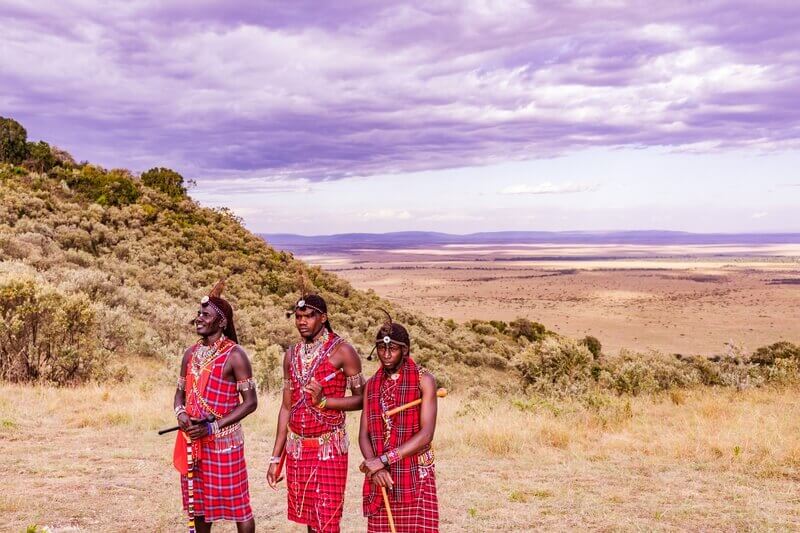
Respect is central to their culture, reflected in their deep commitment to land, community, and livestock - all key to their identity. Visitors should maintain the same level of respect, being considerate of their beliefs. Despite the modern influences, they have continued to preserve their heritage.
Here is a simple breakdown of who they are:
- Well known for their unique red ‘shukas’ and vibrant beaded jewellery.
- The number of cattle a man owns symbolizes livelihood or wealth.
- Age-sets represent bonds of unity and transition from childhood to warrior to elder.
- They speak the “Maa” language.
- Warriors display strength by conducting their traditional dance called ‘adumu’ (the jumping dance).
- They build temporary, circular villages called bomas or manyattas.
- Elders make all decisions about the community.
- Their diet traditionally includes meat, milk, and blood.
- They face modern challenges such as land pressure and climate change.
According to local guides, a large group of the Maasai live in Ngorongoro and the Maasai Mara. Here, they live in unity with the animals, displaying remarkable courage and coexistence with animals.
Where To Experience Maasai Culture
For an incredible Maasai tribe experience, tourists should visit their villages, "bomas". The Maasai live within or near national parks. They maintain their semi-nomadic and pastoralist culture of cattle grazing and now, tourism.
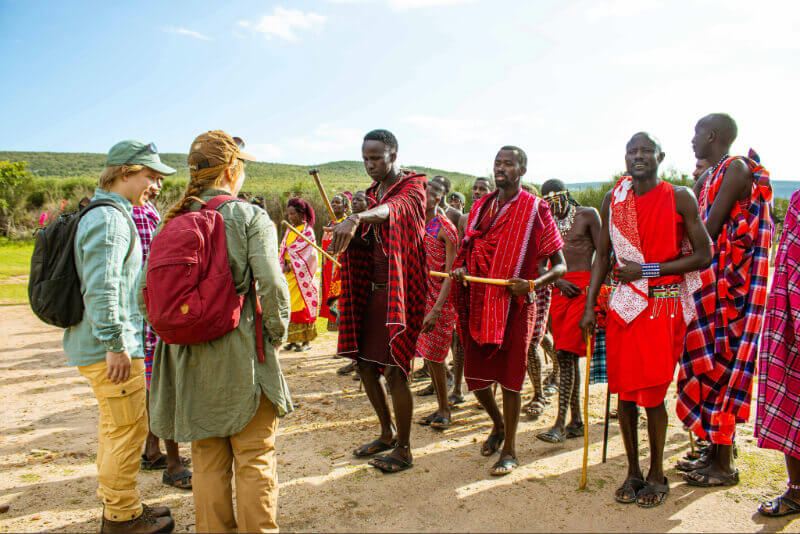
You can find them in iconic destinations like Maasai Mara National Reserve and Amboseli National Park. These locations offer:
- Maasai Mara (Kenya): Has a lot of Maasai villages that take 1-2 hours to explore.
- Amboseli National Park (Kenya): has a scenic Kilimanjaro backdrop for Maasai visits.
- Ngorongoro Conservation (Tanzania): Offers a more intimate and traditional lifestyle.
Travel experiences show that visiting Maasai villages is as valuable as safari game drives. Kenya and Tanzania offer on-ground interactions with the pastoralists who coexist with wildlife.
Cultural Experiences for Travelers
Engaging in Maasai traditions in Africa creates authentic experiences. Travelers visit their local villages, getting a deep look into their heritage and customs.
Some of the Maasai cultural experiences include:
- Boma/Manyatta visits, like Maji Moto, where guests take part in cooking or building.
- Traditional dances that include jumping and listening to traditional songs.
- Intimate beadwork sessions with the Maasai women.
- Engaging in traditional activities like spear-throwing and learning how to use the ‘rungu’.
- Guided bush walks that include wildlife and medicinal plants tracking.
- Interactive sessions through fireside storytelling.
Experts suggest that a Maasai village visit is not only fun but also educational. It includes song, dance, bead-making, and interactive storytelling.
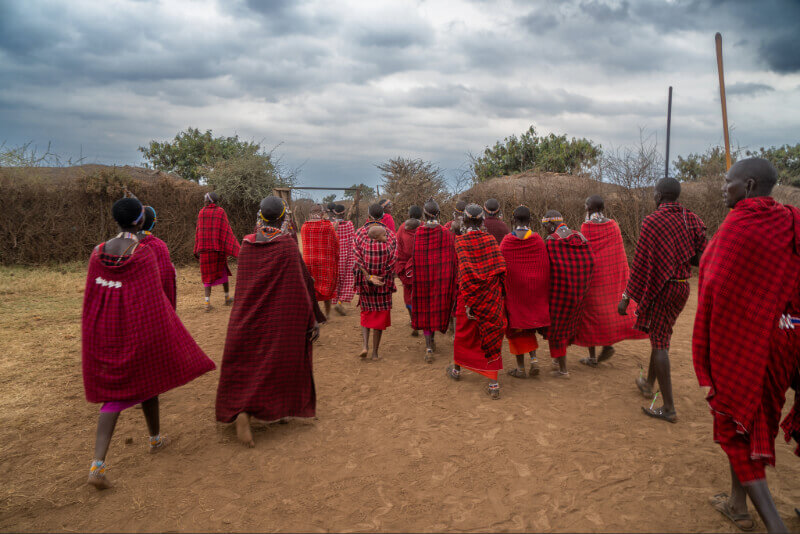
Responsible Cultural Tourism
A Maasai culture Kenya safari must observe responsible tourism. Travelers should choose ethical, community-led operators that directly benefit local livelihoods.
Responsible cultural tourism looks like:
- Always asking if you can take photos.
- Participating in their traditional activities.
- Buying handicrafts from the Maasai women.
- Respecting their privacy.
- Booking with community-run operators.
UNESCO recommends responsible tourism that focuses on adhering to Intangible Cultural Heritage (ICH). Guests must respect their land rights and observe friendly environmental practices.
Combining Culture with Safari
A Kenya cultural safari includes spotting animals plus engaging with the Maasai. Places like the Maasai Mara and Amboseli National Park offer top-tier experiences.
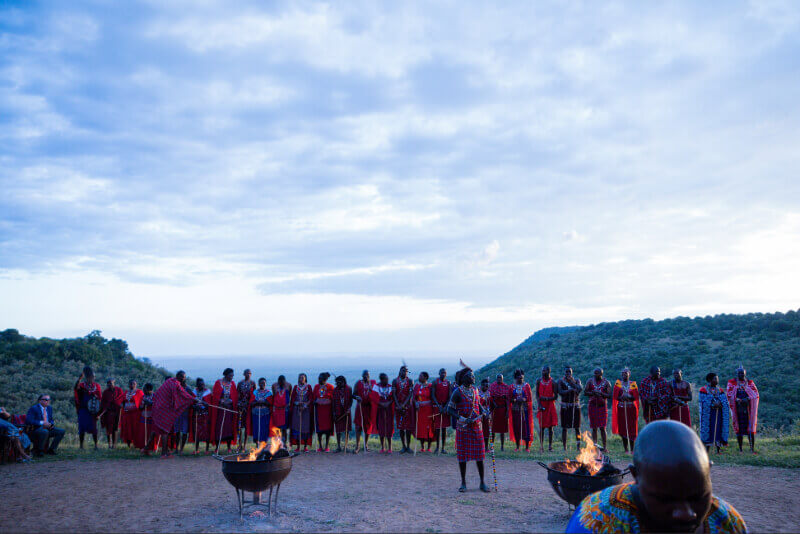
A combined culture with safari includes:
Wildlife and cultural immersion
This blend offers a richer experience, combining wildlife encounters with cultural interactions. You shift from dusty game drives to interacting with local communities. Together, they form a meaningful connection to both nature and culture.
Guests can experience this in:
- The Maasai Mara National Reserve is home to the Big Five, with Maasai village visits
- The Amboseli National Park is home to Maasai warriors and the beautiful Kilimanjaro.
Travel experts highlight that the Maasai play a crucial role in conservation. Tourists are also encouraged to do the same, contributing to protecting Kenya's heritage.
Guided Experiences
These interactions provide educational, immersive, and meaningful experiences. Tourists get to learn about ecosystems, traditions, and conservation efforts. Professional guides also ensure respectful visits to local communities.
It involves:
- Visitors engage in guided walking safaris to track animals and visit Maasai villages.
- Guides share educational insights into local ecosystems and culture.
Guided wildlife and cultural experiences maintain safe and immersive safaris. They involve lots of wildlife sightings and cultural interaction.
Tips for Visiting Maasai Communities
A Maasai Culture Kenya safari is exciting, but travelers should follow local guidance. Supporting ethical, community-led experiences is essential for responsible travel.
Tips for visiting Maasai communities:
- Wear decent and dull clothes.
- Obey your guide.
- Ask permission before taking photos.
- Do not interrupt ceremonies.
- Buy beaded jewellery from the Maasai women.
- Take part in traditional activities.
Based on first-hand safari experiences in Kenya, respectful travel contributes to long-lasting memories.
Discover the Living Traditions of the Maasai People
A Kenyan cultural safari awaits you! Pack your bags and embark on a heart-stirring blended adventure. From thrilling game drives to taking part in “Adumu” with warriors. Local village visits enable tourists to learn new skills like beadmaking and building. Not forgetting the breathtaking Kilimanjaro backdrop view in the Amboseli National Park.
At Shadows of Africa, our team of experts curates customizable and conservative itineraries. We focus on an authentic and safe immersive Maasai tribe experience with wildlife viewing. Our main goal lies in ethical and face-to-face interactions. Our local guides offer deep insights into Kenya’s diverse heritage.
Ready to experience authentic Maasai culture alongside world-class wildlife? Plan your personalized Kenya safari with us today.