




Planning your next trip to Africa is exciting, especially if you’re dreaming big to watch the animals. For many of us, seeing wildlife from a vehicle is what we’ve always pictured. But, there’s this other adventure you’ll want to know about: the Walking Safari in Tanzania and Kenya.
These safaris aren't about speed; it’s all about seeing things closely, learning nonstop, and just sinking yourself into the wild bush.
This blog will explain what walking safaris in Tanzania and Kenya are and why they’re worth your time. With Shadows of Africa, walking safaris come in different forms, from half-day and full-day walks added to a wider itinerary, to multi-day journeys where walking becomes the main focus.
Also, we’ll cover the big differences from game drives, where you’ll find the best walking safari destinations in Africa in both countries. Additionally, you’ll get to know the best times to go, how safe they’re, your prep needs, and what it’ll cost. You’ll leave here knowing exactly how to plan this deep dive into nature on your Safaris in Tanzania and Kenya.
Key Takeaways:
- What makes Walking Safaris different from game drives is that you’ll feel a difference.
- The best places for walking safaris in Kenya and Tanzania you’ll want to check out.
- Different types of walking safari offered by Shadows of Africa.
- When you’ll need to go for the most comfortable walking days.
- How safe walking safari safety guidelines are and who they’re right for.
How to pack the simple things you’ll need and get your mind zoned in.
What Is a Walking Safari?

Simply put, a guided walking safari in Africa is exploring on foot in the middle of nature.
- You’ll walk short distances at a slow, thoughtful pace all day long.
- Instead of looking for lions (like on a drive), you’ll concentrate on the tiny stuff.
- This’ll include figuring out animal tracks, learning basic plants, noticing cool insects, and watching animal behaviour up close.
It’s important that you know this isn't some hard, long hike. You’re not trying to beat a clock; you’re trying to be present right there.
At Shadows of Africa, we make sure our guides have the best training. Consequently, our African Walking Safari Guide team has tons of field know-how, and they’re certified experts. They’re always ready to keep you safe while teaching you everything.
Types of Walking Safaris
Shadows of Africa offers several ways you’ll get your boots dirty in the bush:
- Half-day walks are perfect for afternoons when you’re feeling energetic.
- Full-day walks complete with a bush meal: this means you’ll pack a lunch and spend the whole day out there enjoying nature.
- Multi-day luxury walking safaris in Africa, complete with fly camps: this is the ultimate deep adventure where you’ll sleep in basic, mobile camps set up just for your small group.

Ready to Walk the Wild Side of Africa?
Plan a guided Walking Safari in Africa with Shadows of Africa and explore landscapes best experienced on foot. From highland trails to remote wilderness, we design safe, permitted walks that bring you closer to nature.
How Walking Safaris Differ from Traditional Game Drives
This experience changes how you feel about the bush completely. A game drive lets you see wildlife from a safe, high seat in a vehicle. A walking safari, on the flip side, is about feeling and learning right there where the animals live.

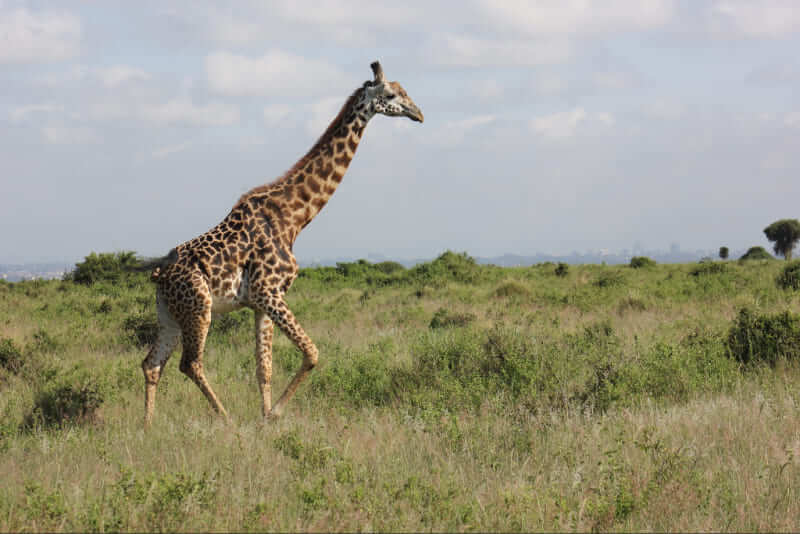
You’ll find that seeing wildlife up close on foot, even just a curious giraffe, is incredibly intense. You’ll feel the real pulse of the bush, unlike you ever would just driving by.
Why Choose a Walking Safari in Tanzania or Kenya?
You’ll pick this when you’re looking for something that goes deeper than just checking names off a list for your walking safari experiences.

● Deeper Connection with Nature.
By walking slowly, you’re forced to quiet your steps. This slow rhythm lets you notice the small things wildlife does every minute. You’re not just passively watching; you’re moving along with the land’s rhythm.
● Understanding Wildlife Behaviour and Ecosystems.
You’ll learn so much about how everything fits together. You’ll learn about alarm calls, where animals hide from the hot sun, and how local plants are used for medicine. This is low-impact, respectful travel where you’ll learn why keeping these areas safe matters so much.
Best Places for Walking Safaris in Tanzania
You’ll find that Walking Safaris In Tanzania are not allowed inside most main Tanzania national parks, so we’ll focus on the special zones or private areas.

- Ngorongoro Region: The Ngorongoro Highlands offer cool air, open grasslands, and quiet trails ideal for guided walks. Hike to the emerald-green Empakaai Crater, where flamingos gather on the crater lake, and views stretch across Maasai land. These walks feel remote, scenic, and deeply connected to local culture, far from busy game-drive routes.
- Tarangire Region: Famous for its huge, old baobab trees and its massive elephant herds. You’ll get stunning walks here in the drier parts of the Tarangire National Park.
- Serengeti Private Conservancies: Certain areas let you walk the same lands as the migration herds (just outside the main park fences).
- Lower Slopes of Kilimanjaro: The forested lower slopes of Mount Kilimanjaro are perfect for gentle walking safaris. Guided walks through Kilimanjaro National Park pass coffee farms, montane rainforest, and wildlife-rich trails where you may spot colobus monkeys, blue monkeys, and rich birdlife.
If these places speak to you, take the next step with expertly guided walking experiences designed around safety, access, and real connection to the land. With Shadows of Africa, all permits and regulations are handled—so you can focus on the journey.
Half-Day and One-Day Walking Safaris in Tanzania
For many travelers, walking safaris in Tanzania are experienced as half-day or one-day activities added seamlessly to a broader safari itinerary. These walks are designed to complement game drives and cultural visits, adding depth to the journey without altering its overall pace or structure.
Materuni Waterfall & Village Walk
Near Moshi, guided walks to Materuni Waterfall combine light hiking with cultural insight. These village-based walks pass through banana plantations and rural paths before reaching the waterfall, and are commonly included in itineraries such as Family Safari Tanzania – Culture & Beach or dedicated experiences like the Materuni Village & Waterfall Tour.

Kilimanjaro Day Hike (Shira Plateau or Marangu Route)
A Kilimanjaro day hike offers a different kind of walking safari, allowing travelers to explore the mountain without committing to a full climb. Walks on the Shira Plateau or along the Marangu route move through rainforest and open alpine landscapes, with flexible walking times and picnic breaks.

This experience features in broader itineraries such as Amazing Family Safari Adventure and also as a standalone One Day Hike – Mount Kilimanjaro.
Arusha National Park Walking Safari
In Arusha National Park, guided walking safaris take place inside the park itself, moving through forested areas, crater lakes, and open grassland, often alongside giraffes and buffalo. These walks are commonly combined with canoeing or short game drives, as seen in the Safari to Arusha National Park – 1 Day Tour.

Maasai Cultural Walks – Amini Maasai Lodge
These guided walks focus on culture and landscape rather than wildlife sightings alone. Led by Maasai hosts, guests explore surrounding land while learning about traditional plant use, daily life, and customs. Walking is paired with cultural activities such as handicrafts, spear throwing, and evening ceremonies.

These cultural walking experiences around Arusha are woven into itineraries such as Tanzania Adventure Safari – 6 Days and Adventure Nature & Culture – 8 Days.
Marangu Village Visit
This Marangu Village – 1 Day Tour near Kilimanjaro passes through banana farms and quiet rural settlements before reaching Kilasya Falls. The walk is gentle, scenic, and suitable for most fitness levels, with optional swimming at the falls depending on conditions.
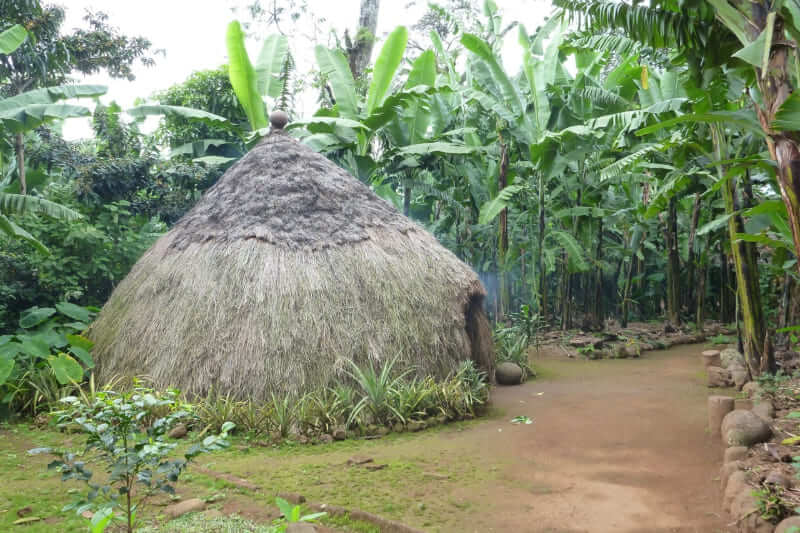
Multi-Day Walking Safaris in Tanzania
For travelers who want walking to be the core of their safari experience, multi-day walking safaris in Tanzania offer extended time on foot through remote and dramatic landscapes. These journeys move at a slower pace and allow for deeper engagement with terrain, wildlife signs, and local communities.
Ngorongoro Highlands & Empakaai Region
Multi-day walks in the Ngorongoro Highlands pass through volcanic highlands, open grasslands, and Maasai settlements. Hikes to Empakaai Crater reveal forested slopes and a crater lake often visited by flamingos. Nights are spent in lodges or camps along the route, creating a continuous journey on foot.
This experience forms the core of itineraries such as the Seven-Day Ngorongoro Highlands Trekking Adventure and the Active Safari with Empakai Hiking – 6 Days.

Reach out to start planning a walking safari that matches your pace, comfort, and sense of adventure.
Best Places for Walking Safari in Kenya.
Kenya also has fantastic spots, especially near community lands bordering the national reserves. While walking is not permitted inside most core national reserves, Walking Safaris in Kenya take place in private conservancies, community land, and low-risk environments where walking can be done safely and responsibly.
Popular walking safari areas include:
- Maasai Mara Conservancies – Conservancies such as Naboisho and Olare Motorogi allow guided walks led by professional rangers and Maasai guides, just outside the main reserve.
- Lake Naivasha – A freshwater lake in the Rift Valley, known for birdlife and predator-free walking areas like Crescent Island Sanctuary.
- Maji Moto Eco-Camp – A community-based area near Nairobi offering culturally focused walking experiences led by Maasai hosts.
Together, these locations allow Kenya to offer walking safaris that range from relaxed, family-friendly walks to more immersive, community-led journeys.
Half-Day and One-Day Walking Safaris in Kenya
Most travelers experience walking safaris in Kenya as half-day or one-day activities added to a wider safari itinerary. These walks are designed to complement game drives, adding variety and perspective without changing the overall pace of the trip.
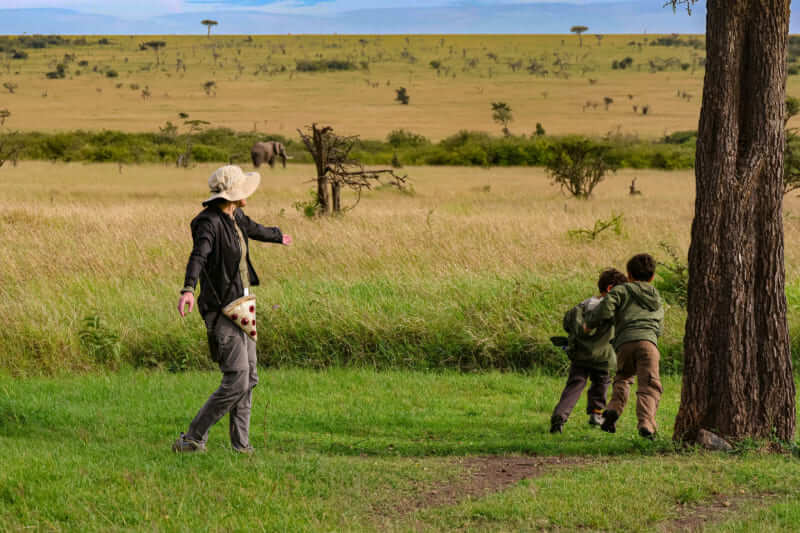
Common half-day and one-day walking experiences include:
- Crescent Island Walking Safari (Lake Naivasha)
After a boat safari on Lake Naivasha, guests walk among giraffes, zebras, and antelope in a predator-free environment. This experience is often included in longer itineraries such as Amazing Kenya and Tanzania Summer Safari – 9 Days, Kenya Nine Days Bush Family Safari, 5-Day Amazing Kenya Safari, and Kenya Family Safari – 7 Days.
These shorter walking safaris work well for families and first-time safari travelers, offering meaningful on-foot experiences without physical strain or long time commitments.
Multi-Day Walking Safaris in Kenya
Multi-day walking safaris in Kenya move at a slower pace and focus on spending meaningful time on foot in one area. Rather than covering long distances, these experiences are about understanding the land, daily routines, and how people and wildlife share the same space. Walking is combined with time in the community, simple stays, and unhurried evenings.

One multi-day walking safari offered by Shadows of Africa is Meet the Maasai of Maji Moto – Two Day Trip from Nairobi. This two-day experience is guided by Maasai hosts and includes walks across community land, village visits, cultural activities such as beadwork, and time at the nearby hot springs. It offers a grounded way to experience Kenya beyond game drives, through walking and cultural exchange.
Best Time for Walking Safaris in Tanzania and Kenya
The best time really depends on your comfort level with heat and rain.
- Dry Season Benefits (June–October): This is ideal because animals have to gather around the few water sources left. Visibility is high, and you’ll see way fewer buzzing insects.
- Green Season Advantages (Nov–Dec & Mar–May): You’ll find fewer crowds and amazing birdlife as the rains make things green. The heat isn't usually as bad either.

We track historical weather patterns to give you this advice. Generally, you’ll want the dry or shoulder seasons for the most comfortable walking days. You’ll find specific tips related to What To Expect On A Walking Safari in different months.
Are Walking Safaris Safe?
You’re certainly wondering this first: Are walking safari safety guidelines just a paper promise? Not at all! Safety is always the number one thing for us. This is because:
- Guide Training: Your guide is highly trained in bush skills and emergencies, and they’re the best you’ll find.
- Briefings: You’ll always get a full safety talk before you step off the vehicle onto the dirt path.
- Group Movement: You’ll walk close together in a tight group, and you’ll always be doing what the guide says without question.
Emergency Backup: Just so you’re calm, a guide will carry a firearm for emergencies only, as the rules state.

We stress an avoidance-first safety approach. We’re there to watch nature; we’re not trying to bother it at all.
Wildlife You Can Expect on a Walking Safari.
You’ll see the ecosystem differently when you’re on foot than you would in a car. Your focus shifts in a wonderful way.
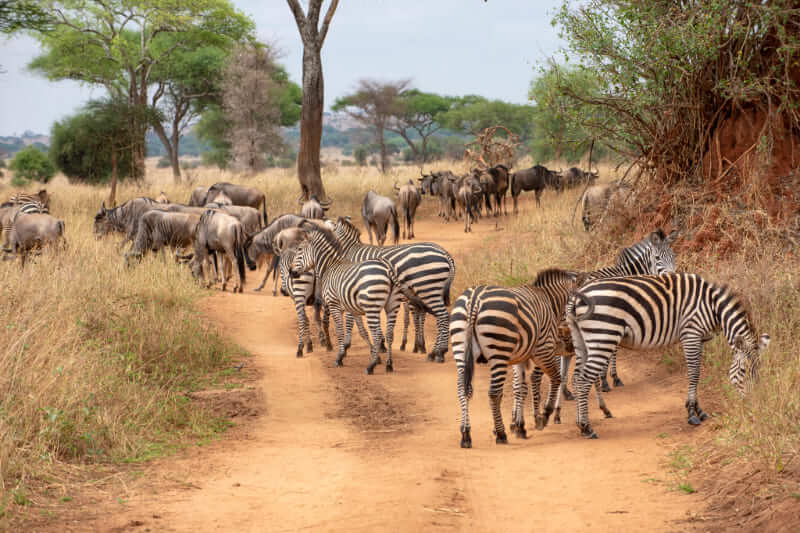
Large Mammals.
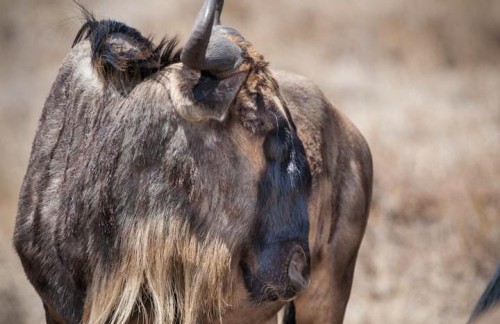
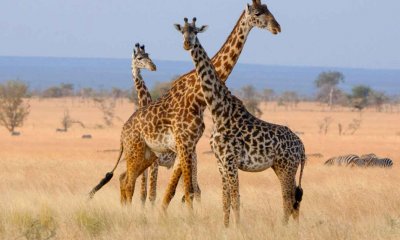
You’ll certainly see plenty of elephants, giraffes, and various plains game (like zebra or wildebeest). You might see predators occasionally; a resting lion pride or a leopard high up, but you’ll always keep a respectful distance.
Small Species and Ecosystem Details.
This is where you’ll really learn so much! You’ll focus on fascinating birds, busy insects, learning to read animal tracks in the dust, and learning about local plants. You’re turning yourself into a true bush expert during Kenya walking safari experiences.
How to Prepare for a Walking Safari
You’ll need slightly different gear compared to just sitting in a truck watching animals.
What to Pack & What to Wear
- Footwear: You’ll need sturdy, comfortable hiking boots that you’ve already worn a lot. Comfort is everything here.
- Clothing Colours: Please wear natural colours (khaki, olive, brown). Avoid bright white or dark blue/black, as certain insects like those colours.
- Layers and Sun Protection: Evenings can get cool, so you’ll want a light fleece jacket. You’ll also need a wide-brimmed hat and high SPF sunscreen every day.
- Gear: Good binoculars are essential, as your camera will be busy capturing all those tiny details!

These are just a few essential items to get you started. For a more detailed and practical guide on What To Pack For An African Safari, the team is happy to share a complete packing list tailored to your walking safari plans.
Who Can Join a Walking Safari?
You’ll find that your high-end fitness level isn't the main sticking point. It’s your comfort level with walking on uneven ground.

- Fitness Expectations: You’ll need to be okay walking comfortably for maybe 2 to 3 hours at a slow pace over uneven ground.
- Age Restrictions: Generally, partners must be over 16 or 18, but rules change depending on the specific conservancy rules you’re in.
- Group Sizes: You’ll see groups are kept small, usually eight guests max, to make sure you’re paying attention and staying safe.
If you’re comfortable walking at an easy pace and enjoy nature up close, a walking safari could be a great fit. Speak with our safari expert to check suitability and plan a walk that matches your comfort and interests.
Cost of Walking Safaris & Booking Tips
Walking safaris are considered premium activities for good reason. Why? You’re paying for specialist guides, the strict safety methods we’ve put in place, the small group size, and the conservation work you’re supporting.
- Specialist Guides: They’re not cheap to hire; they’re top-tier professionals you’ll be thankful for when danger is near.
- Booking Timelines: Since you’ll be in very small groups, you’ll want to book 6–12 months ahead, especially if you’re aiming for the peak dry season.
You’ll see that the value here is in the depth of the low-impact safari experiences, not just how many big animals you see.
Deepening Your Safari Connection.
Kenya is special because it offers you these rare, quiet moments on foot. In brief, the walking safaris in Tanzania and Kenya give you an unfiltered connection to the land that vehicles just can’t match. Subsequently, by matching the right season to your expectations, you’ll have the amazing safari you’ve always dreamed about.
Plan Your Walking Safari in Tanzania or Kenya with Our Experts.