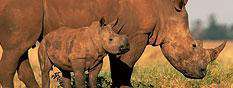
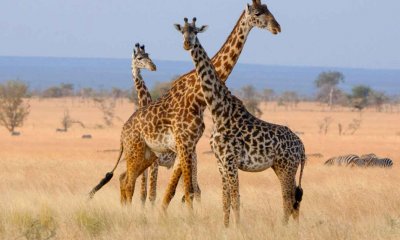





A first Kenya Safari usually centres on the big names. For instance, lions, elephants, the Maasai Mara and the excitement of seeing everything for the first time. A second trip feels different. There's less pressure to complete a checklist. There's more room to notice the small stuff: how a herd moves, how the light shifts by season, the people who call these landscapes home.
This guide looks at why a second Kenya Safari can feel richer than the first. That's not a knock on the first trip. We'll get into slower wildlife watching, different seasons, quieter reserves, cultural ties, and how to build a trip around what you loved most last time.
A repeat Kenya safari lets you move past the first-time highlights. You can pick a new reserve, travel in another season, or spend longer watching one sighting. You can dig into local culture, or shape the whole trip around one thing that caught your interest last time.
Your First Safari Introduces Kenya
Most first-time travellers head for Kenya's best-known spots and focus on the big wildlife names. That usually means:
- Seeing lions, elephants, leopards, rhinos, and buffalo
- Visiting the Maasai Mara
- Photographing large wildlife
- Watching a Great Migration crossing
- Taking in that first game drive
- Fitting a few destinations into one trip
That first visit does something useful, though. It shows you what you actually care about. Maybe it's birds, maybe it's predators, maybe it's conservation, walking safaris, or the villages you drove past. A second trip can be built entirely around that.
A safari planner who works with return guests says the pattern holds: “travellers stop asking for “everything.” They start asking for one or two things done well.”
More Time to Understand Wildlife
First-timers often chase numbers. Returning travellers tend to slow down and watch instead.
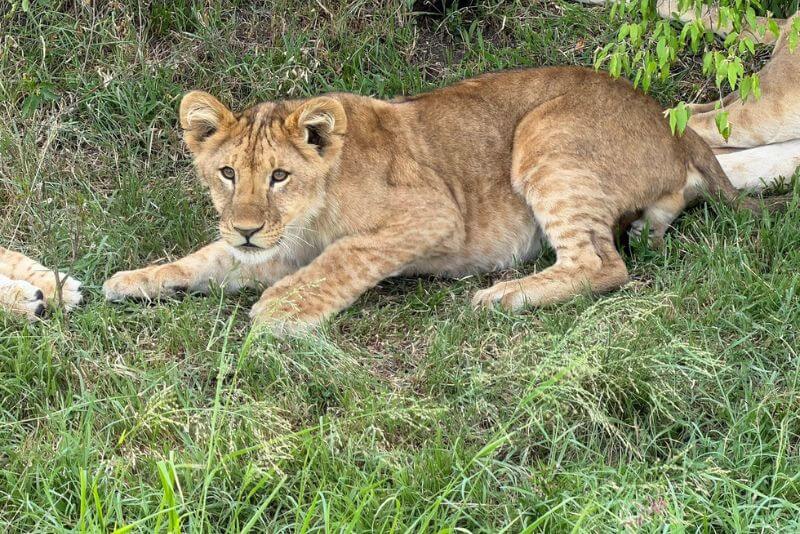
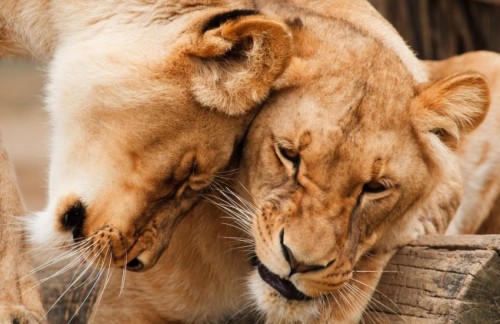
- Watching a pride of lions interact
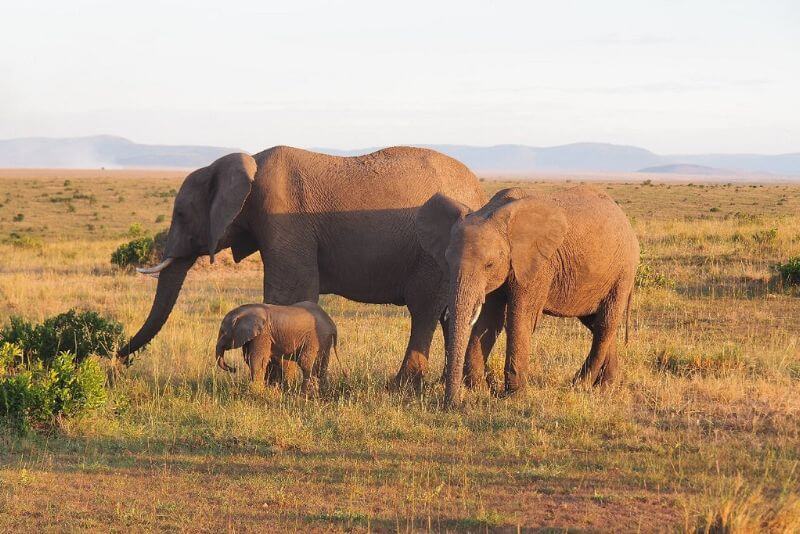
- Observing how elephants communicate
- Following one cheetah family for hours, not minutes
- Learning how predators hunt
- Noticing territorial behaviour
- Picking out different bird species
- Watching young animals grow and learn
- Seeing how animals and land depend on each other
Many Repeat Kenya Safari travellers pick fewer reserves and longer stays. That means going back to the same wildlife the next morning instead of driving off to a new park. Wildlife is hard to predict, and no trip can promise a rare sighting. But more time buys you more patience, and patience tends to show you more than speed ever does.
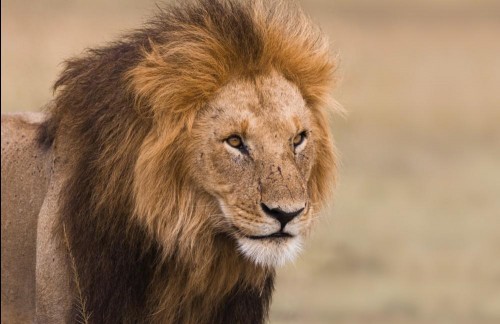
A Kenya Safari Guide who's hosted plenty of second-timers says the pace changes most. Guests stop asking “what's next” and start asking “what's that lion actually doing.”
Experience Kenya in Another Season
Kenya looks and feels different depending on when you go.
| Months | Conditions | Good For |
| January to March | Drier, clear viewing | Young animals in some areas |
| April to May | Greener, seasonal rain | Fewer visitors, photography |
| June to October | Dry, water-source viewing | Migration activity in the Mara |
| November to December | Short rains, fresh growth | Birdlife, fewer vehicles |
A traveller who first came during the dry months might return in the green season instead. The colours, the quiet, and the photos all look completely different. Patterns shift by destination, and weather is never granted. Treat this as a guide, not a promise.
Explore Beyond the Famous Safari Areas
Once you've done the classic route, a few quieter areas start to look appealing. Here are some areas to consider.
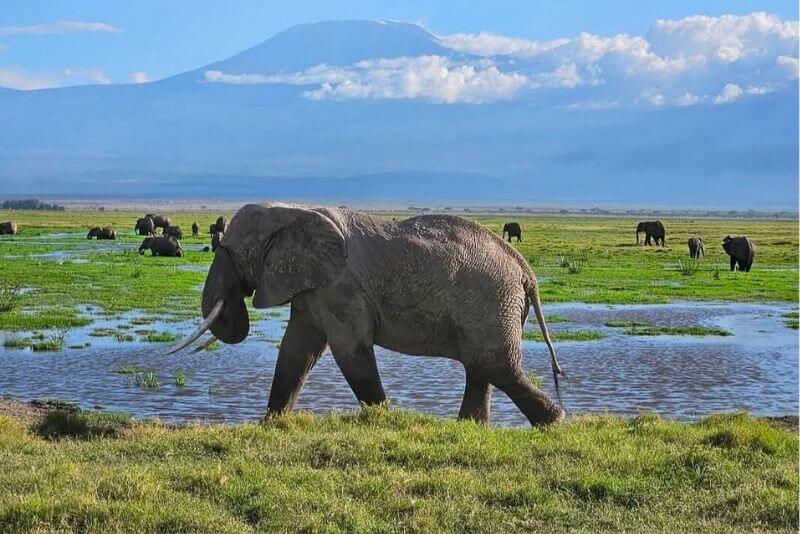
- Samburu: Dry landscapes, elephants, wildlife found only in the north.
- Laikipia: Conservancies, active conservation work, walking safaris.
- Meru: Quiet game viewing, different plants and terrain.
- Tsavo: Big open landscapes, elephants, long wilderness drives.
- Lake Nakuru: Rhinos and strong birdlife.
- Amboseli: Elephants, with Kilimanjaro in view on a clear day.
- Northern Kenya: Remote country, slower travel.
None of these areas are empty or untouched. They still have roads, camps, and wildlife that shifts by season. They're just quieter than the Mara circuit. Fewer stops and longer stays usually beat trying to squeeze in every region at once.
→ DESIGN YOUR NEXT KENYA SAFARI
Build Deeper Cultural Connections
A first safari might include a brief cultural stop. A return trip leaves room for something slower and community-led. That could mean time with Maasai, Samburu, or other local communities.
You might meet local craftspeople, walk through a market with a local guide, or learn how conservation work creates local jobs. Some travellers stay at community camps directly. Whatever the format, it should run on consent and fair pay, not spectacle. This is someone's home, not a photo backdrop.
Plan Around a Personal Interest
A repeat trip works best when it's built around one clear interest instead of trying to cover everything again.
Possible Safari Themes:
- Photography Safari: Longer sightings, better seating, early and late drives.
- Birdwatching Safari: Wetlands, forest edges, lakes, specialist guides.
- Conservation Safari: Conservancies, research camps, ranger-led walks.
- Family Return Safari: Age-appropriate activities, easier driving days.
- Walking Safari: Guided walpks wherever they're permitted.
- Predator Safari: More time in territory known for lions, leopards, cheetahs, or wild dogs.
- Bush and Coast Trip: A safari followed by a few days on the Kenyan coast.
Picking one or two of these keeps the trip focused. It stops the itinerary from turning into a repeat of the first one.
How to Plan a Repeat Kenya Safari
Before you book, it helps to think through a few things:
- Which places did you enjoy most last time?
- What would you like to understand better?
- Do you want a different season this time?
- Would fewer destinations and longer stays suit you?
- Do quieter conservancies or remote areas appeal to you?
- Are you drawn to photography, walking, birding, or culture?
- What comfort level fits your budget?
- Would you like to add on the coast?
- Any mobility, dietary, or family needs to plan around?
- How much driving are you happy with each day?
Share your first itinerary with your planner. It's the easiest way to skip repeating a trip you've already done.
See a Different Side of Kenya
Your first Kenya Safari introduces you to the wildlife and the classic spots. The trips after that let you slow down, look closer, and reach quieter regions. They let you get to know the people who live there too. A second safari doesn't need to repeat the first one. It can follow a new season, a quieter corner of the country, or whatever interest stuck with you from last time.