




Rainy Season in Tanzania doesn't always mean cancelled plans and flooded roads; some showers blow through in minutes. However, some can mess with your driving or getting to a remote camp. The difference comes down to the month, the region, and how ready you've made yourself.
Think of this as the version a local would give you about Tanzania Rainy season. We're getting into when the rain falls, what it does to a safari day, what's worth packing, a few health basics, and how to keep your plans flexible.
Bring waterproof layers, quick-drying clothes, insect repellent, sturdy shoes, and something to keep your electronics dry. Beyond that, go with a driver who knows the roads, leave room in your route for changes, watch the forecast, and stick to a few basic habits around mosquitoes, food, and water.
→ PLAN YOUR RAINY SEASON SAFARI
When Is the Rainy Season in Tanzania?
Tanzania actually has two rainy stretches, not one long wet season. Here’s a seasonal breakdown.
| Period | Months | What to Expect |
| Long rains | March to May | Heavier, steadier rainfall |
| Dry interval | June to October | Generally drier, occasional showers |
| Short rains | Late October to December | Lighter, less predictable rainfall |
| Dry interval | January to February | Generally drier, occasional showers |
Weather depends on where you are too. The north, south, west, coast, and highlands don't all get rain at once, so treat these months as a rough guide, not a fixed rule. An evening shower doesn't necessarily wreck the whole day.
One local guide put it this way:
Rain in the Serengeti can look nothing like what's happening near Kilimanjaro the same week. Tanzania's weather is regional, so what you've read about one park doesn't always hold up in the next.
It’s important to check the Tanzania Meteorological Authority information for more assurance.
How Rain Can Affect Your Tanzania Trip
Rain shapes your trip in a few practical ways. It can influence road travel, safaris accommodation, photography and outdoor activities. For instance:
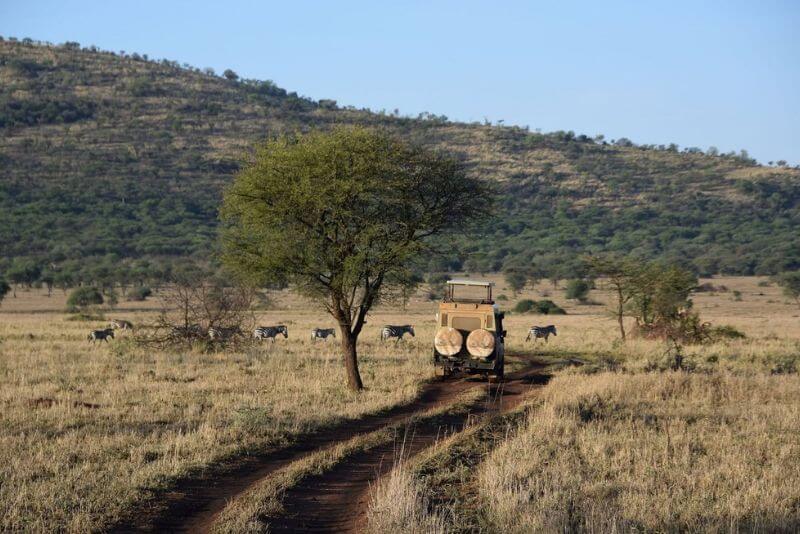
- Dirt roads can turn muddy or hard to cross.
- Driving times may stretch longer than planned.
- Some remote camps close for part of the season.
- Outdoor plans may shift or get delayed.
- Heavy clouds can cut visibility.
- Trekking paths can turn slippery.
- Domestic flights may face weather delays.
A driver-guide puts it well:
After a heavy storm, the morning drive might start later or take a firmer road instead. The plan bends. It doesn't break.
Tanzania Safaris in Rainy Season brings real upsides too. Landscapes turn a rich green, parks see fewer vehicles, and photographers get striking cloud-lit skies. Birdlife picks up, some areas see newborn animals, and some lodges drop their rates.
How much rain affects you depends on its strength, roads conditions, the park you're in, and your own itinerary.
What to Pack for the Rainy Season
Here’s Tanzania Rainy Season Packing List:
Clothing
- A lightweight waterproof jacket
- Quick-drying shirts and trousers
- One warm layer for cool evenings
- Waterproof or water-resistant shoes
- Extra socks
- A hat with a brim
Skip heavy cotton. It soaks up water and takes forever to dry.
Safari and Travel Gear
- A small umbrella
- A waterproof backpack cover
- Dry bags or resealable bags
- Binoculars
- A reusable water bottle
- A compact towel
- A torch or headlamp
Health and Personal Items
- Insect repellent
- Sunscreen
- Any personal medication
- Hand sanitiser
- Basic first-aid supplies
Photography Gear
- A waterproof camera cover
- Lens cloths
- Spare memory cards
- Extra batteries
- Protective bags for your electronics
Just keep in mind domestic flights often have tight luggage limits, so pick rain gear that's light but still does the job.
Rainy Season Health and Safety
Mosquito Protection
Mosquitoes tend to come out more in warm, humid weather. A few things help:
- Go with a strong insect repellent.
- Cover up with long sleeves and trousers once evening comes.
- Sleep under a mosquito net where one's provided.
It's worth chatting with a doctor about malaria prevention before you head out.
Food and Water Safety
- Stick to water that's treated, filtered, or sealed in a bottle.
- If you're not sure where the ice came from, skip it.
- Choose freshly cooked meals.
- Wash or sanitise your hands before eating.
- Steer clear of raw food where hygiene standards feel unclear.
Road and Outdoor Safety
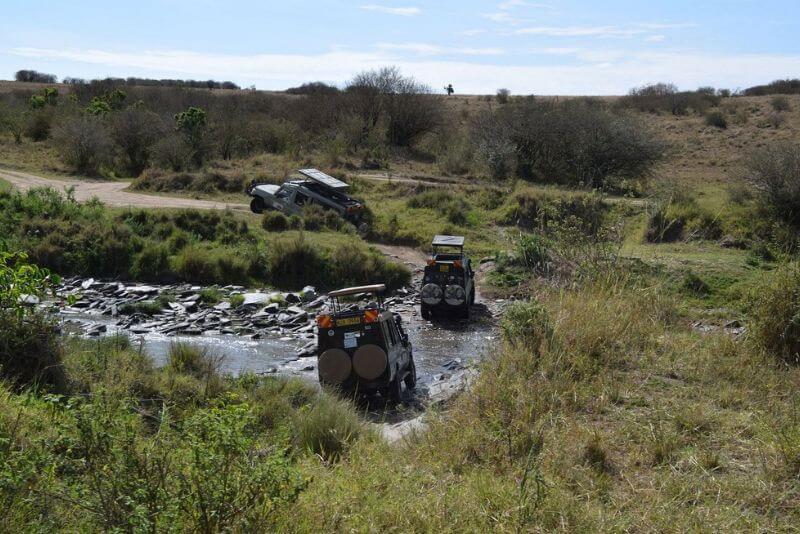
- Ride with an experienced driver who knows wet roads.
- Never walk through floodwater.
- Follow your guide's lead near rivers and wildlife.
- Wear proper shoes on slick paths.
- Build extra time into your transfers.
Speak with your own doctor for personal medical advice before you fly out. Always check official health authorities for current guidance before travel.
How to Plan a Rain-Friendly Safari
A smart itinerary absorbs the rain instead of fighting it.
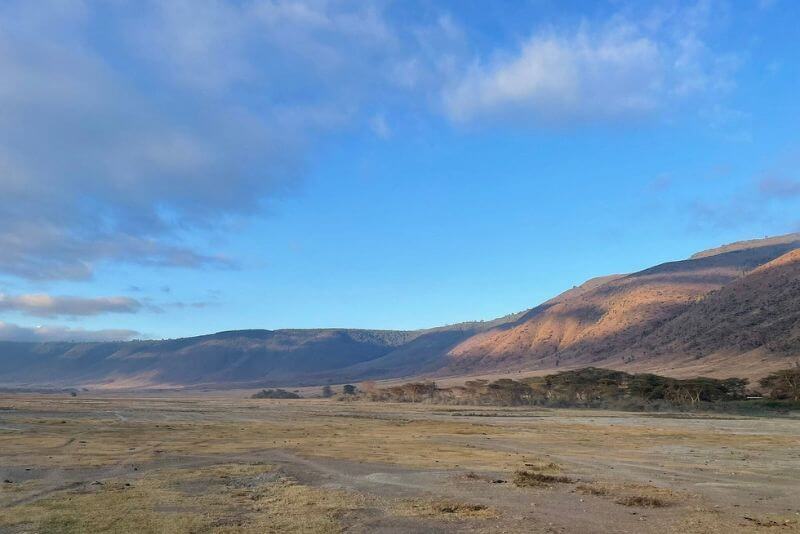
- Stay longer in fewer places.
- Avoid packing your route with long road transfers.
- Pick lodges with solid road access, and confirm they stay open through the wet months.
- Book a proper four-wheel-drive safari vehicle.
- Build in buffer time before your international flight.
- Keep optional activities loose, not locked in.
- Talk through backup plans with your safari operator.
- Read the cancellation and rescheduling terms before you commit.
- Get travel insurance that covers delays and medical emergencies.
Going private helps here; you can work out start times, routes, and last-minute changes directly with your guide. That said, your guide still follows park rules and won't drive roads that are unsafe or officially shut.
→ PLAN A FLEXIBLE TANZANIA SAFARI
Practical Tips During the Trip
- Check the forecast each morning.
- Keep waterproof clothing inside the vehicle, not packed away.
- Keep your passport, phone, and camera sealed away from moisture.
- Top up your batteries whenever power's nearby.
- Wear layers, since temperatures shift fast after rain.
- Follow your guide's read on road conditions.
- Keep footwear dry overnight where you can.
- Don't rest luggage right on a tent floor.
- Expect game-drive timings to shift now and then.
Weather apps help, but your guide's local knowledge often beats any app for reading the road and the park right now.
Is the Rainy Season Worth It?
It may suit you if you:
- Prefer quieter parks
- Enjoy green, lush scenery
- Love birdwatching
- Can roll with a changing schedule
- Like the idea of lower seasonal rates
- Don't mind the odd rain shower
It may suit you less if you:
- Need a fixed schedule
- Want to reach hard-to-access camps
- Dislike muddy conditions
- Have little room for delays
- Plan tough mountain treks during the heaviest rain
The short rains are generally easier to plan around than the peak of the long rains, though Tanzania's weather never comes with guarantees.
Travel Through the Rains Prepared
Yes, Tanzania Rainy Season can mess with your roads, shuffle your plans, and add time to your travel days. But it won't wreck your safari. Pack the right clothing, stay on top of mosquito protection, pick lodges carefully, and leave room to adjust and you'll still get great wildlife, lush green views, and quieter parks. Plan around the destination and month, instead of treating the whole rainy season the same.